
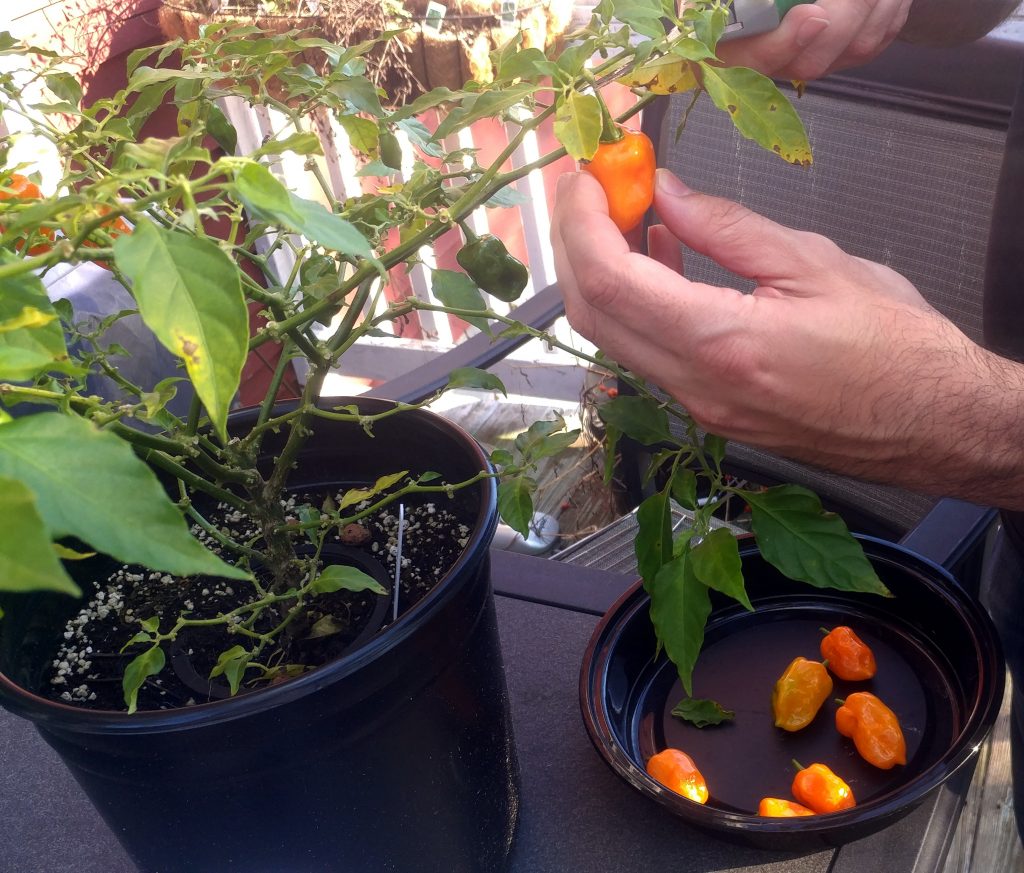
Is there anything more disheartening than watching your precious indoor chili plants fall victim to pests? Aphids, spider mites, whiteflies… these tiny invaders can wreak havoc on your dreams of harvesting fiery peppers from the comfort of your home.
Growing chili peppers indoors is an incredibly rewarding experience. It allows you to enjoy fresh, homegrown heat year-round, regardless of your climate or outdoor space. Plus, it's a fun and engaging hobby! However, bringing the garden indoors also means potentially bringing in pests. Choosing chili varieties that exhibit some natural resistance to common pests is a crucial first step in ensuring a successful and satisfying indoor chili gardening journey. This guide will walk you through selecting the right varieties and provide essential tips for keeping your apartment chili plants healthy and pest-free.
Choosing Your Champions: Chili Varieties with Pest Resistance
The good news is, certain chili pepper varieties are known to be less attractive to pests than others. While no chili is completely immune, selecting these varieties can give you a significant head start in your indoor chili growing endeavors.
Thai Chilies: These prolific producers are known for their fiery heat and relatively good resistance to common pests. Their upright growth habit also makes them well-suited for container gardening. Tabasco Peppers: Famous for the sauce, Tabasco peppers are surprisingly resilient. Their natural defenses often deter many common pests, making them a great choice for beginners. Habanero Peppers: While not completely pest-proof, some growers find that Habaneros are less prone to infestations compared to other super-hot varieties. Their intense flavor is a welcome bonus! Rocoto Peppers (Capsicum Pubescens): Rocotos are naturally more resistant to cooler temperatures and some pests than other peppers, due to their thicker leaves and slightly different plant structure. They are very slow to grow so indoor gardeners should start early. Ornamental Peppers (e.g., Filius Blue, Bolivian Rainbow):While primarily grown for their vibrant colors, many ornamental peppers possess inherent hardiness that translates to better pest resistance. They also offer a beautiful aesthetic appeal to your indoor garden.
It's also important to consider hybrid varieties that may have been specifically bred for improved pest resistance. Check seed descriptions carefully for any notes on disease or pest resistance.
Essential Indoor Chili Care for a Pest-Resistant Garden
Choosing the right variety is just the beginning. A healthy, thriving plant is naturally more resistant to pests. Here's how to provide optimal care for your indoor chili garden:
Light: The Key to Strong Plants
Chili peppers need plenty of light to thrive. Insufficient light weakens plants, making them more vulnerable to pests and diseases.
Natural Light: A south-facing window is ideal, providing the most direct sunlight. However, even in a sunny window, your plants may not receive enough light, especially during winter months. Grow Lights: Supplement natural light with grow lights. LED grow lights are energy-efficient and provide the full spectrum of light that chili peppers need. Aim for 14-16 hours of light per day. Consider investing in grow lights specifically designed for peppers. Placement: Position your grow lights a few inches above the plants, adjusting the height as they grow. Observation: Monitor your plants closely for signs of insufficient light, such as leggy growth (long stems with few leaves) or pale leaves.
Watering: Finding the Right Balance
Overwatering and underwatering are both common mistakes that can weaken chili plants and make them susceptible to pests.
Frequency: Water thoroughly when the top inch of soil feels dry. The frequency will vary depending on the size of the pot, the type of soil, and the temperature of your home. Drainage: Ensure your pots have drainage holes to prevent waterlogging. Water Quality: Use room-temperature water. Avoid using softened water, as it can contain high levels of sodium, which can harm your plants. Observation: Check the soil moisture regularly and adjust your watering schedule as needed. Yellowing leaves can be a sign of overwatering, while wilting leaves can indicate underwatering.
Soil and Nutrients: Fueling Healthy Growth
The right soil and nutrients are essential for strong, pest-resistant chili plants.
Potting Mix: Use a well-draining potting mix specifically formulated for containers. Avoid using garden soil, as it can compact and prevent proper drainage. Fertilizer: Chili peppers are heavy feeders and benefit from regular fertilization. Use a balanced fertilizer with a slightly higher phosphorus content to promote flowering and fruit production. Follow the instructions on the fertilizer label carefully. Organic Options: Consider using organic fertilizers, such as compost tea or fish emulsion. These options are gentle on your plants and beneficial to the soil. Nutrient Deficiencies: Monitor your plants for signs of nutrient deficiencies, such as yellowing leaves or stunted growth. Adjust your fertilization schedule as needed.
Air Circulation and Humidity: Creating the Ideal Environment
Good air circulation and proper humidity levels are crucial for preventing pest infestations and diseases.
Air Circulation: Ensure good air circulation around your plants by placing them in a well-ventilated area or using a small fan. This helps to prevent the development of fungal diseases and deters pests. Humidity: Most indoor environments are too dry for chili peppers. Increase humidity by misting your plants regularly, placing them on a pebble tray filled with water, or using a humidifier. Spacing:Avoid overcrowding your plants. Give them enough space to allow for good air circulation.
Troubleshooting Common Indoor Chili Pests
Even with the best care, pests can sometimes find their way into your indoor chili garden. Here's how to identify and deal with some common culprits: Aphids: These tiny, sap-sucking insects can quickly multiply and weaken your plants. Look for them on new growth and undersides of leaves. Treat with insecticidal soap or neem oil. Spider Mites: These tiny pests create webs on your plants and cause the leaves to become speckled and yellow. Increase humidity and treat with insecticidal soap or neem oil. Whiteflies: These small, white, flying insects suck sap from the leaves and excrete honeydew, which can attract sooty mold. Treat with yellow sticky traps, insecticidal soap, or neem oil. Fungus Gnats: These small, black flies breed in moist soil and their larvae can damage roots. Allow the soil to dry out between waterings and use yellow sticky traps to catch adults. Prevention:Regularly inspect your plants for signs of pests. Early detection is key to preventing serious infestations. Isolate new plants before introducing them to your existing collection.
Pollination Indoors: Helping Nature Along
While some chili varieties are self-pollinating, others may require assistance with pollination, especially indoors where there are no natural pollinators like bees and butterflies.
Hand Pollination: Use a small brush or cotton swab to transfer pollen from the stamen (male part) to the pistil (female part) of each flower. Gentle Shaking: Gently shake the plant to release pollen. Fan Assistance:Use a fan to circulate air and help distribute pollen.
Exploring Advanced Techniques: Hydroponic Chili Growing
For those seeking a more advanced approach to indoor chili gardening, hydroponics offers a controlled and efficient way to grow peppers. Hydroponic systems provide plants with nutrients directly through a water-based solution, eliminating the need for soil. This can lead to faster growth and higher yields. Additionally, hydroponic systems can reduce the risk of soilborne pests and diseases. Research different hydroponic methods, such as deep water culture (DWC), nutrient film technique (NFT), and drip systems, to determine which one is best suited for your needs and space.
Enjoying the Fruits (or Chilies!) of Your Labor
Growing chilies indoors, especially using pest-resistant varieties, brings so much satisfaction! Imagine adding freshly picked peppers to your favorite dishes, knowing that you grew them yourself.
With the right varieties, proper care, and a proactive approach to pest control, you can enjoy a bountiful harvest of fiery peppers from the comfort of your home, year-round. So, choose your chili champions, create the ideal indoor environment, and get ready to spice up your life!
Frequently Asked Questions About Pest-Resistant Indoor Chili Growing
What are the easiest chili peppers to grow indoors?
While "easy" is subjective and depends on your growing conditions, generally, Thai chilies, ornamental peppers, and smaller varieties like those in the Capsicum Annuum family (jalapenos, serranos) tend to be more forgiving for beginners. They often adapt well to container gardening and don’t demand as much space or light as larger pepper types. Prioritizing inherently hardy or pest-resistant types can make the process easier.
How do I get rid of aphids on my indoor chili plants naturally?
Several natural methods can help control aphids. Insecticidal soap is a very effective treatment; ensure you cover all parts of the plant, especially the undersides of leaves, where aphids tend to congregate. Neem oil is another excellent option. A strong blast of water from a spray bottle can also dislodge aphids. Introducing beneficial insects like ladybugs can also help control aphid populations.
What causes blossom drop in indoor chili pepper plants, and how can I prevent it?
Blossom drop, where flowers fall off the plant before setting fruit, can be frustrating. Common causes include insufficient light, improper watering (either too much or too little), extreme temperatures (too hot or too cold), and lack of pollination. Ensure your plants receive at least 6-8 hours of direct sunlight or equivalent grow light, water consistently when the top inch of soil feels dry, maintain a stable temperature between 65-80°F (18-27°C), and hand-pollinate flowers if necessary. Correcting these factors can significantly reduce blossom drop and improve fruit set.

Post a Comment