
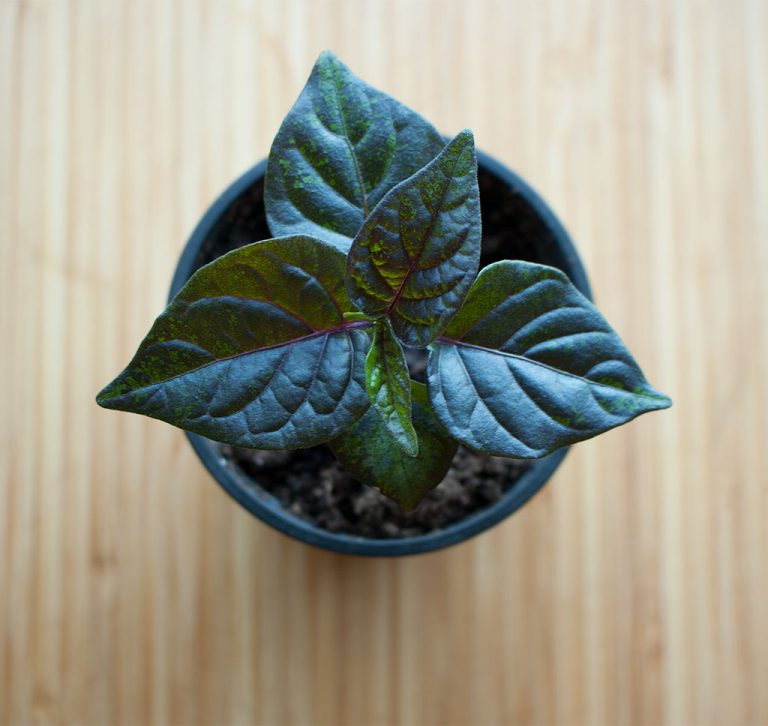
Is there anything quite as disappointing as seeing your vibrant indoor chili plant suddenly looking droopy and sad? The most common culprit behind this is often invisible: overwatering.
Growing chilies indoors can be incredibly rewarding. Imagine fresh, spicy peppers right at your fingertips, regardless of the weather outside! Apartment chili plants are not only productive, but they also add a touch of vibrant green to your living space. However, the controlled environment of indoor gardening means we take on the responsibility of mimicking nature, and that includes getting the watering just right. Let's explore how to keep your precious pepper plants thriving without drowning them.
Understanding the Risks of Soggy Soil
Overwatering isn't just about giving your plants too much water at once; it's about frequency and drainage. When the soil stays constantly wet, it deprives the roots of oxygen. Roots need to breathe just like we do! Without enough oxygen, they begin to suffocate and rot. This root rot weakens the plant, making it vulnerable to pests and diseases. In extreme cases, it can lead to the plant's demise. Recognizing the signs early is crucial.
Yellowing leaves: Often starts at the bottom of the plant. Drooping: Even when the soil is wet. Mold or algae on the soil surface: A clear sign of excessive moisture. Stunted growth: The plant simply stops growing. Soft, mushy stems:Indicating root rot has progressed.
Smart Watering Strategies for Thriving Indoor Chili Plants
Watering is an art, not a science, and it requires understanding your specific plant and its environment. Here's a step-by-step approach to help you master the skill:
1.The Finger Test: This is your most reliable tool. Stick your finger about an inch or two into the soil. If it feels moist, hold off on watering. If it feels dry, it's time to water.
2.Water Deeply, But Infrequently: When you do water, saturate the soil until you see water draining out of the bottom of the pot. This ensures the roots get a thorough soaking. Then, allow the soil to dry out significantly before watering again.
3.Consider the Potting Mix: Use a well-draining potting mix specifically formulated for container gardening. Avoid using garden soil, which is too dense and retains too much moisture. Look for mixes containing perlite, vermiculite, or coco coir to improve drainage.
4.Choose the Right Container: Make sure your pots have adequate drainage holes. Terra cotta pots are a great choice because they are porous and allow excess moisture to evaporate.
5.Adjust Watering Based on the Season: Plants need less water during the cooler, less sunny months. Reduce your watering frequency in the fall and winter.
6.Observe Your Plants: Pay attention to the cues your plants are giving you. Are the leaves drooping despite moist soil? Are they developing yellow spots? These are signs that something is amiss.
Essential Indoor Chili Gardening Care Routine
Beyond proper watering, a comprehensive care routine is essential for successful indoor chili growing.
Light: Chili plants need at least 6-8 hours of direct sunlight per day. If you don't have a sunny window, invest in grow lights for peppers. LED grow lights are energy-efficient and provide the full spectrum of light that plants need to thrive. Position the lights a few inches above the plants and adjust as they grow. Temperature: Maintain a consistent temperature between 65-80°F (18-27°C). Avoid placing your plants near drafts or heating vents. Humidity: Chili plants prefer moderate humidity. If your indoor air is dry, especially during winter, consider using a humidifier or placing your plants on a tray filled with pebbles and water. Fertilizing: Feed your plants regularly with a balanced fertilizer specifically formulated for vegetables. Follow the instructions on the fertilizer label. During the growing season (spring and summer), fertilize every 2-4 weeks. Reduce or eliminate fertilizing during the fall and winter. Pollination: Indoor plants often need help with pollination. You can hand-pollinate by gently transferring pollen from one flower to another using a small brush or cotton swab. Alternatively, you can use a small fan to circulate air around the plants, which will help to distribute the pollen. Pruning: Prune your plants to encourage bushier growth and more abundant fruit production. Remove any dead or yellowing leaves and pinch back the tips of the branches.
Troubleshooting Common Indoor Chili Plant Issues
Even with the best care, you may encounter problems with your apartment chili plants. Here are some common issues and how to address them: Pests: Aphids, spider mites, and whiteflies are common indoor pests. Inspect your plants regularly for signs of infestation. Treat infestations with insecticidal soap or neem oil. Fungal Diseases: Overwatering and poor air circulation can lead to fungal diseases. Improve air circulation by spacing your plants properly and using a fan. Treat fungal diseases with a fungicide. Nutrient Deficiencies:Yellowing leaves or stunted growth can be a sign of nutrient deficiencies. Test your soil and amend it with the appropriate nutrients.
Alternative Growing Methods: Exploring Hydroponics for Chili Peppers
For the adventurous gardener, hydroponic chili growing offers an alternative to traditional soil-based methods. Hydroponics involves growing plants in nutrient-rich water solutions without soil. This method can lead to faster growth and higher yields. There are several hydroponic systems to choose from, including deep water culture (DWC), nutrient film technique (NFT), and drip systems. While hydroponics requires a bit more initial investment and technical knowledge, it can be a rewarding way to grow peppers indoors.
What are the signs of overwatering chili plants?
Look for yellowing leaves, drooping, mold on the soil surface, and stunted growth. The soil will also feel constantly wet.
How often should I water my indoor chili plants?
There's no one-size-fits-all answer. Check the soil moisture regularly using the finger test. Water only when the top inch or two of soil feels dry.
What kind of soil is best for container gardening for chilies?
Use a well-draining potting mix specifically formulated for container gardening. Avoid using garden soil, which is too dense and retains too much moisture.
Final Thoughts: Nurturing Your Indoor Pepper Paradise
Growing peppers indoors is a rewarding experience that brings the joy of fresh, spicy produce right into your home. By mastering the art of watering and providing the right care, you can ensure that your plants thrive and produce a bountiful harvest. Remember to observe your plants closely, adjust your watering schedule as needed, and don't be afraid to experiment. With a little patience and attention, you'll be enjoying homegrown chilies in no time! Happy growing!

Post a Comment