
Ever dream of plucking fiery chilies straight from a plant in your kitchen? It’s more achievable than you might think! Growing peppers indoors is a rewarding way to add fresh flavor and vibrant color to your living space, even without a traditional garden.
Bringing the heat inside allows you to extend the growing season, control the environment, and enjoy fresh chilies year-round. But one of the biggest concerns for indoor gardeners is dealing with pests. Luckily, there are plenty of effective and natural ways to keep your indoor chili plants healthy and thriving without resorting to harsh chemicals. This guide will walk you through everything you need to know about cultivating your own little indoor chili paradise and keeping it pest-free, naturally.
Getting Started: Setting Up Your Indoor Chili Garden
Before you even think about pests, you need to create a comfortable environment for your chili plants. Choosing the right varieties, containers, and soil is crucial for their success.
1. Choosing the Right Chili Varieties: Not all chili plants are created equal, especially when it comes to indoor growing. Compact varieties that don’t get too large are ideal. Some excellent choices for growing peppers indoors include: Thai Chilies: Prolific producers with a manageable size. Tabasco Peppers: Famous for their unique flavor and compact growth habit. Jalapeños: A classic choice, although some varieties may require more space. Look for specifically "dwarf" or "compact" jalapeño cultivars. Habaneros:If you're after serious heat, these can thrive indoors with the right care.
2. Selecting the Right Containers: The size of your container will depend on the variety of chili you choose. Generally, a pot that is at least 10-12 inches in diameter is a good starting point. Make sure the pot has drainage holes to prevent waterlogging, which can lead to root rot and other problems. Terracotta pots are a good option as they allow the soil to breathe, but plastic pots work too and retain moisture for longer.
3. Choosing the Right Soil: Use a well-draining potting mix specifically formulated for containers. Avoid using garden soil, as it can become compacted and doesn't provide the drainage that chili plants need. A good potting mix will contain ingredients like peat moss, perlite, and vermiculite.
4. Lighting is Key: Chili plants need plenty of light to produce fruit. A south-facing window is ideal, but if you don't have one, you'll need to supplement with grow lights. Full-spectrum LED grow lights are energy-efficient and provide the right spectrum of light for plant growth. Aim for 14-16 hours of light per day.
Creating the Ideal Indoor Environment for Chilies
Once you've got your setup in place, you need to maintain the right conditions for your chili plants to thrive. This means paying attention to watering, temperature, humidity, and pollination.
1. Watering: Water your chili plants when the top inch of soil feels dry to the touch. Avoid overwatering, as this can lead to root rot. Water deeply, allowing the water to drain out of the drainage holes. The frequency of watering will depend on the size of your pot, the type of soil, and the temperature and humidity of your home.
2. Temperature: Chili plants prefer temperatures between 65°F and 80°F (18°C and 27°C). Avoid placing them near drafts or heating vents, as this can cause temperature fluctuations that can stress the plants.
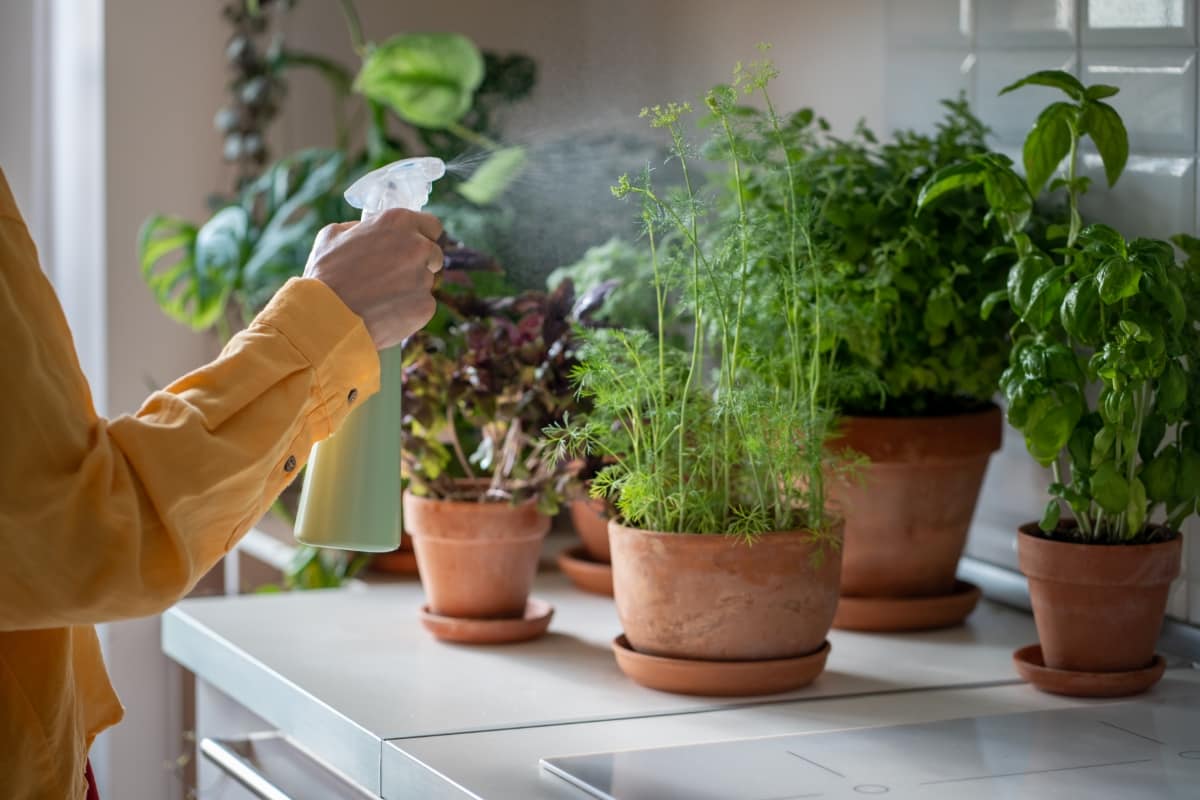
3. Humidity: Indoor air can be dry, especially in winter. Chili plants prefer a humidity level of around 50-60%. You can increase the humidity around your plants by using a humidifier, placing them on a tray filled with pebbles and water, or misting them regularly.
4. Pollination: Indoor chili plants may need help with pollination. You can hand-pollinate them by using a small brush to transfer pollen from one flower to another. Alternatively, you can use a small fan to create air circulation, which will help to distribute the pollen.
Natural Pest Control for Your Indoor Chili Plants
Now, let's tackle the main concern: pests. Prevention is always the best approach, but even with the best care, you may still encounter some unwanted visitors. Fortunately, there are many effective and natural ways to deal with common indoor plant pests.
Common Pests
Aphids: Small, soft-bodied insects that suck sap from plants. They can be green, black, or brown and are often found on new growth. Spider Mites: Tiny mites that create webs on plants and suck sap. They can be difficult to see with the naked eye. Whiteflies: Small, white, flying insects that feed on plant sap. They are often found on the undersides of leaves. Fungus Gnats: Small, black flies that breed in the soil. Their larvae feed on plant roots and can damage seedlings.
Natural Pest Control Methods
1.Regular Inspection: The first line of defense is to inspect your plants regularly for any signs of pests or disease. Catching problems early makes them much easier to deal with.
2.Neem Oil: Neem oil is a natural insecticide and fungicide that is effective against a wide range of pests. Mix neem oil with water according to the instructions on the label and spray it on your plants, making sure to cover all surfaces, including the undersides of the leaves. Repeat every 7-14 days.
3.Insecticidal Soap: Insecticidal soap is another effective and natural option for controlling pests. It works by disrupting the insect's cell membranes, causing them to dehydrate and die. Follow the instructions on the label and spray your plants thoroughly.
4.Diatomaceous Earth (DE): Diatomaceous earth is a natural powder made from fossilized algae. It works by damaging the exoskeletons of insects, causing them to dehydrate and die. Sprinkle DE around the base of your plants and on the leaves. Be sure to use food-grade DE.
5.Sticky Traps: Yellow sticky traps are effective for catching flying insects like whiteflies and fungus gnats. Place them near your plants to trap adult insects.
6.Beneficial Insects: Introduce beneficial insects like ladybugs and lacewings into your indoor garden. These insects are natural predators of aphids, spider mites, and other pests. You can purchase beneficial insects online or from your local garden center.
7.Homemade Pest Sprays: You can also make your own pest sprays using common household ingredients. Here are a couple of recipes: Garlic Spray:Mix 2 cloves of crushed garlic with 1 quart of water. Let it steep for 24 hours, then strain and spray on your plants.
Chili Pepper Spray: Mix 1 tablespoon of chili powder with 1 quart of water. Add a few drops of dish soap and spray on your plants. Be careful not to get this in your eyes!
8.Proper Ventilation: Good air circulation helps to prevent pests and diseases. Make sure your plants have plenty of space and that the air can circulate freely around them.
9.Healthy Plants are Resistant Plants: Ensuring your chili plants are receiving proper care (light, water, nutrients) will significantly increase their natural resistance to pests and diseases. Regularly fertilize your indoor plants with a balanced liquid fertilizer.
Troubleshooting Common Issues with Growing Peppers Indoors
Even with the best care, you may encounter some challenges when growing peppers indoors. Here are some common problems and how to fix them: Leaf Drop: Leaf drop can be caused by a variety of factors, including overwatering, underwatering, temperature fluctuations, and lack of light. Adjust your watering schedule, provide adequate light, and maintain a stable temperature. Yellowing Leaves: Yellowing leaves can be a sign of nutrient deficiency. Fertilize your plants with a balanced liquid fertilizer. Lack of Fruit Production: Lack of fruit production can be caused by insufficient light, improper pollination, or nutrient deficiency. Provide adequate light, hand-pollinate your plants, and fertilize them regularly. Stunted Growth: Stunted growth can be caused by a variety of factors, including poor soil, lack of nutrients, and pest infestations. Repot your plants in fresh potting mix, fertilize them regularly, and control any pests that may be present.
Frequently Asked Questions (FAQs)
What's the best way to water my indoor chili plants?
Water deeply when the top inch of soil is dry. Ensure proper drainage to prevent root rot. Frequency will depend on your environment and pot size. Overwatering is a common mistake – err on the side of slightly drier rather than constantly wet soil.
How much light do apartment chili plants need?
Aim for 14-16 hours of full-spectrum light per day. A south-facing window supplemented with grow lights is ideal. Without enough light, your plants will struggle to produce fruit.
Can I grow chili peppers hydroponically indoors?
Yes, hydroponic chili growing is entirely possible! It provides precise control over nutrients and can lead to faster growth. Use a hydroponic system designed for fruiting plants and follow the manufacturer's instructions.
Bringing the Heat Indoors: A Final Word
Growing chilies indoors offers a fantastic opportunity to enjoy fresh, homegrown peppers year-round. By understanding the specific needs of these plants and employing natural pest control methods, you can create a thriving indoor garden that adds both flavor and beauty to your home. Don't be afraid to experiment with different varieties and techniques to find what works best for you. With a little patience and care, you'll be harvesting your own spicy bounty in no time. Happy gardening!

Post a Comment