
So, you’re dreaming of fresh, fiery chilies even when the snow is falling outside? You’re not alone! Many gardeners are discovering the joy of cultivating these flavorful fruits within the comfort of their own homes. But how do you actually succeed at growing peppers indoors and what does it take to nurture healthy, productive plants when you don’t have Mother Nature’s help?
Growing chilies indoors is incredibly rewarding. It extends your growing season, allows you to control the environment, and adds a vibrant touch of green to your living space. Plus, nothing beats the satisfaction of harvesting your own spicy ingredients for cooking. Whether you're in a small apartment or a larger home, with the right knowledge and a little dedication, you can enjoy a bountiful harvest of your favorite chili varieties year-round.
Choosing the Right Chili Varieties for Indoor Growing
Selecting the right chili variety is crucial for successful indoor gardening. Not all chilies thrive indoors; some are simply too large or demanding for a container environment. Look for compact or dwarf varieties that are well-suited for pots.
Here are a few excellent choices for your indoor chili garden: Thai Chilies: These prolific producers are compact and deliver a fantastic spicy kick. Tabasco Peppers: Famous for hot sauce, these are relatively small and do well in containers. Jalapeños: A classic choice that’s easy to grow and offers moderate heat. Serrano Peppers: Similar to jalapeños but with a bit more heat, serranos are also a good option. Peter Pepper:A fun variety that looks as unique as it tastes and can easily be grown in a small space.
When selecting your seeds or seedlings, consider the size of your growing space, the amount of light available, and your personal spice preference.
Setting Up Your Indoor Chili Growing Space
Before you even think about planting, you need to prepare your indoor chili growing space. Here’s a checklist of essentials:
1.Location: Choose a spot that receives ample sunlight – ideally at least 6-8 hours per day. A south-facing window is usually best.
2.Containers: Select pots that are at least 5 gallons in size. Good drainage is critical, so ensure your containers have drainage holes. Terracotta or plastic pots are both suitable.
3.Potting Mix: Use a well-draining potting mix specifically formulated for containers. Avoid using garden soil, as it can become compacted and hinder root growth.
4.Grow Lights (if needed): If natural light is insufficient, invest in grow lights. LED grow lights are energy-efficient and provide the full spectrum of light that chili plants need.
5.Temperature: Maintain a consistent temperature between 65-80°F (18-27°C). Avoid placing your plants near drafts or heating vents.
Planting Your Chili Seeds or Seedlings
Now that your growing space is ready, it's time to plant!
Starting from Seeds
1.Sowing: Sow chili seeds indoors 6-8 weeks before the last expected frost. Plant seeds about ¼ inch deep in seed-starting trays or small pots filled with seed-starting mix.
2.Germination: Keep the soil consistently moist and warm (around 75-80°F or 24-27°C). Use a heat mat to speed up germination. Seeds typically germinate in 1-3 weeks.
3.Transplanting: Once seedlings have developed their first set of true leaves, transplant them into larger pots.
Starting with Seedlings
1.Choosing Seedlings: Select healthy seedlings with vibrant green leaves and a sturdy stem.
2.Transplanting: Gently remove the seedling from its nursery pot and transplant it into your prepared container. Be careful not to damage the roots.
After planting, water thoroughly and provide adequate support for the growing plant, especially as it starts to bear fruit. A small stake or tomato cage can be helpful.
The Indoor Chili Care Routine: Light, Water, and Nutrients
Consistent care is essential for a thriving indoor chili garden. Here’s a breakdown of the key aspects:Lighting:
Natural Light: Maximize natural light by placing your plants near a sunny window. Rotate the pots regularly to ensure even growth. Grow Lights: If using grow lights, position them 6-12 inches above the plants. LED grow lights are excellent because they emit less heat and are more energy-efficient. Aim for 14-16 hours of light per day during the vegetative stage and 12-14 hours during the flowering and fruiting stage. The best grow lights for peppers offer a full spectrum, mimicking natural sunlight.
Watering
Frequency: Water thoroughly when the top inch of soil feels dry to the touch. Avoid overwatering, as this can lead to root rot. Technique: Water at the base of the plant, avoiding wetting the leaves. Use room-temperature water. Drainage:Ensure excess water drains freely from the drainage holes.
Nutrients
Fertilizing: Feed your chili plants with a balanced liquid fertilizer every 2-3 weeks during the growing season. Look for a fertilizer that is specifically formulated for fruiting plants. Micronutrients: Consider supplementing with micronutrients like magnesium and calcium, which are essential for healthy growth and fruit development. Epsom salts can provide magnesium, while crushed eggshells can supply calcium.
Pollination
Indoor chilies need help with pollination. Without wind or insects, you'll need to play the role of pollinator.
Hand Pollination: Use a small, soft paintbrush to gently transfer pollen from one flower to another. Shaking: Gently shake the plants to help release pollen. Fan:Use a fan to circulate air around the plants, aiding in pollination.
Troubleshooting Common Issues with Indoor Chili Plants
Even with the best care, indoor chili plants can sometimes encounter problems. Here’s how to troubleshoot some common issues: Yellowing Leaves: This can be caused by overwatering, underwatering, nutrient deficiencies, or pests. Adjust your watering schedule, fertilize appropriately, and inspect for pests. Leaf Drop: Sudden leaf drop can be a sign of stress due to temperature fluctuations, insufficient light, or inconsistent watering. Ensure a stable environment and consistent care routine. Pests: Common indoor pests include aphids, spider mites, and whiteflies. Treat infestations with insecticidal soap, neem oil, or beneficial insects. Lack of Fruit: This can be due to poor pollination, insufficient light, or nutrient deficiencies. Ensure adequate light, hand-pollinate if necessary, and fertilize regularly.
Harvesting and Enjoying Your Homegrown Chilies
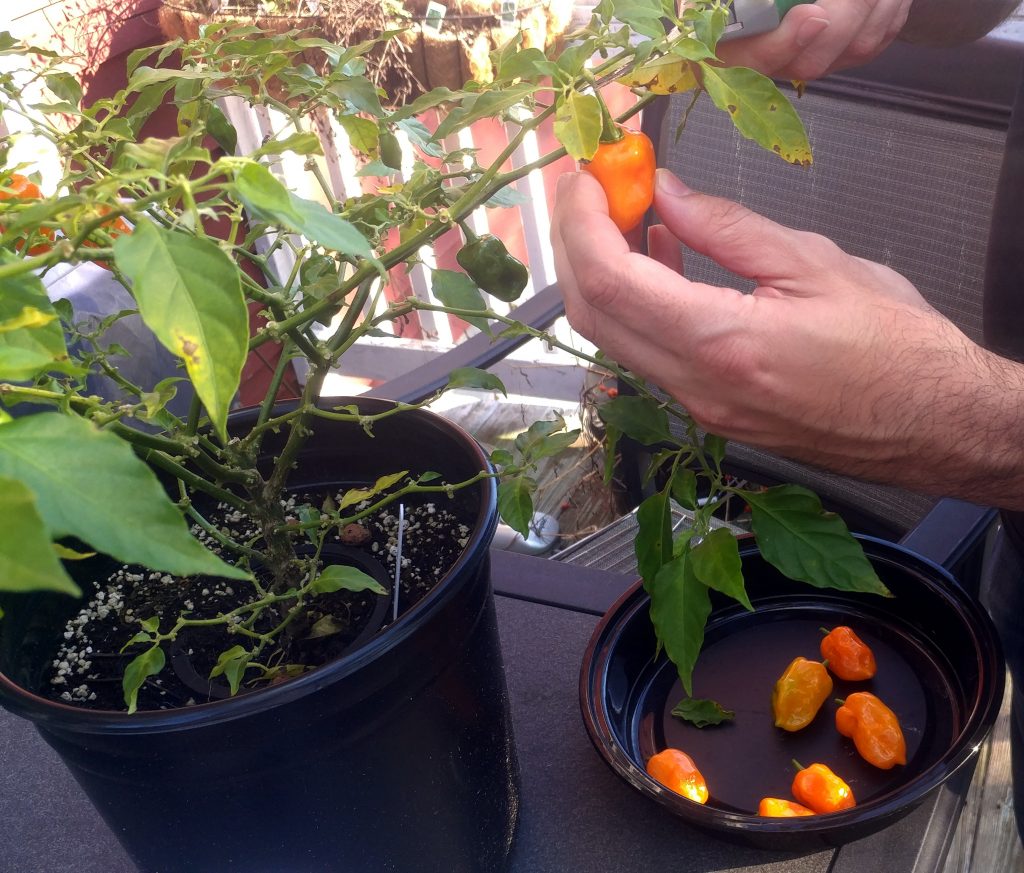
Harvest time is the most rewarding part of growing chilies indoors! The timing of your harvest will depend on the specific variety you're growing. Generally, chilies are ready to harvest when they have reached their mature color and size.
To harvest, simply snip the chilies from the plant using pruning shears or scissors. Handle them carefully, especially if they are hot varieties.
Once harvested, you can use your fresh chilies in a variety of dishes. You can also dry them, pickle them, or make your own homemade hot sauce. Store fresh chilies in the refrigerator for up to a week or freeze them for longer storage.
FAQ: Common Questions About Indoor Chili Growing
Here are some frequently asked questions about growing chili peppers indoors:
How often should I water my indoor chili plants?
Water thoroughly when the top inch of soil feels dry. The frequency will vary depending on environmental factors like temperature and humidity, but generally, you'll water every 3-7 days.
Do indoor chili plants need special fertilizer?
Yes, use a balanced liquid fertilizer specifically formulated for fruiting plants. Fertilize every 2-3 weeks during the growing season.
Why are my chili plant's leaves turning yellow?
Yellowing leaves can be caused by overwatering, underwatering, nutrient deficiencies, or pests. Adjust your watering schedule, fertilize appropriately, and inspect for pests.
Growing chilies inside offers a unique opportunity to enjoy fresh, spicy flavors year-round. With the right planning, a little dedication, and by following these indoor gardening tips, you can cultivate a thriving indoor chili garden that provides you with a bountiful harvest. Embrace the journey, experiment with different varieties, and enjoy the satisfaction of growing your own delicious chilies indoors!

Post a Comment