
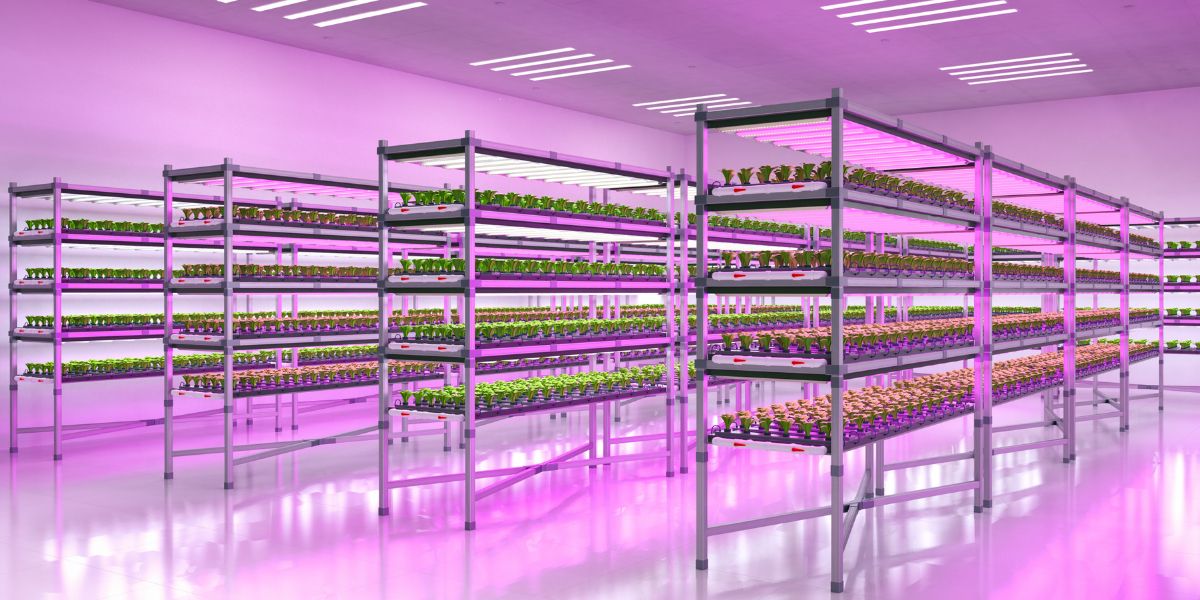
Have you ever dreamed of harvesting fiery chilies from your own indoor garden, even when the snow is falling outside? The secret to plump, vibrant, and prolific indoor pepper plants often lies in mastering the art of artificial lighting.
Growing chilies indoors opens up a world of possibilities for gardeners living in colder climates or those with limited outdoor space. But without adequate sunlight, your chili plants will struggle to thrive. That’s where grow lights come in. They provide the necessary energy for photosynthesis, ensuring healthy growth, flowering, and, ultimately, a bountiful harvest of your favorite peppers. Understanding the nuances of grow lights is essential for successful apartment chili growing and for maximizing your yields, no matter the season. This guide will walk you through everything you need to know, from selecting the right type of light to optimizing its placement and usage.
Understanding Light Spectrum and Chili Plant Needs
Before diving into the different types of grow lights, it's crucial to understand the concept of light spectrum and how it affects chili plant growth. Plants utilize different wavelengths of light for various processes: blue light promotes vegetative growth (leaves and stems), while red light encourages flowering and fruit production. A full-spectrum light, mimicking natural sunlight, is generally recommended for optimal chili plant development throughout its life cycle.
Different stages of growth will benefit from slightly different light ratios. Seedlings thrive under a balanced blue/red spectrum, while mature plants producing fruit will appreciate a higher proportion of red light. Keep this in mind as you consider your setup.
Types of Grow Lights for Indoor Chili Plants
The market offers a variety of grow lights, each with its pros and cons. Here's a breakdown of the most common options: Fluorescent Lights (T5/T8):These are an affordable option, especially for starting seeds or growing young plants. They emit a cooler light, which is less likely to burn delicate seedlings. However, they have lower intensity compared to other types and may not be sufficient for mature plants that require more light for fruiting. Look for "full spectrum" fluorescent bulbs.
Compact Fluorescent Lights (CFLs): Similar to fluorescent lights but more compact, CFLs are a good choice for smaller setups. They are energy-efficient and produce less heat than incandescent bulbs. Again, ensure they are full-spectrum.
High-Intensity Discharge (HID) Lights (Metal Halide/High-Pressure Sodium): HID lights are powerful and efficient, making them suitable for larger indoor gardens. Metal Halide (MH) bulbs emit a bluish light, ideal for vegetative growth, while High-Pressure Sodium (HPS) bulbs emit a reddish light, perfect for flowering and fruiting. However, they produce a significant amount of heat and require a ballast to regulate the electricity. They are less commonly used in home setups due to their complexity and heat output.
Light Emitting Diodes (LEDs): LEDs are the most energy-efficient option and produce very little heat. They are available in various spectrums, allowing you to customize the light to your plants' specific needs. LED grow lights are becoming increasingly popular due to their long lifespan, low energy consumption, and customizable spectrums. While initially more expensive, their longevity and efficiency make them a cost-effective choice in the long run. Look for LEDs specifically designed for plant growth.
Choosing the Right Wattage
Wattage corresponds to light intensity. For chili plants, aim for at least 30-40 watts per square foot of growing space. This is a general guideline and might need to be adjusted depending on the specific type of pepper you are growing and the intensity of the light itself.
Setting Up Your Grow Lights: Distance, Duration, and Placement
Once you've chosen your grow lights, proper setup is crucial for maximizing their effectiveness.
Distance: The distance between the light and your chili plants is critical. Too close, and you risk burning the leaves. Too far, and the plants won't receive enough light. Start with the manufacturer's recommendations and adjust as needed. Generally, seedlings need the lights closer than mature plants. A good rule of thumb is to hold your hand between the light and the plant. If it feels too hot on your hand, it's too close to the plant.
Duration: Chili plants typically need 14-16 hours of light per day during the vegetative stage and 12 hours during the flowering and fruiting stage. Use a timer to automate the process and ensure consistent light exposure. Consistency is key for healthy plant development.
Placement: Position the grow lights directly above the plants to ensure even light distribution. Consider using reflective materials, such as Mylar or white paint, on the walls to maximize light reflection and reduce light waste. Rotate your plants regularly to ensure all sides receive adequate light exposure.
Optimizing Your Indoor Chili Growing Environment
Lighting is only one piece of the puzzle for successful indoor chili gardening. Consider these other essential factors: Potting Mix:Use a well-draining potting mix specifically formulated for container gardening. Avoid using garden soil, as it can compact and hinder drainage.
Watering: Water thoroughly when the top inch of soil feels dry to the touch. Avoid overwatering, which can lead to root rot. Ensure your pots have drainage holes.
Temperature: Maintain a consistent temperature between 70-80°F (21-27°C) during the day and 60-70°F (15-21°C) at night.
Humidity: Chili plants prefer moderate humidity levels (40-60%). You can increase humidity by using a humidifier or placing a tray of water near the plants.
Pollination: Indoor chili plants may require manual pollination. Use a small paintbrush or cotton swab to transfer pollen from one flower to another. Gently brush the inside of each flower. You can also gently shake the plant to release pollen.
Fertilizing: Feed your chili plants regularly with a balanced fertilizer, following the manufacturer's instructions. During the flowering and fruiting stage, switch to a fertilizer with a higher phosphorus content.
Troubleshooting Common Issues
Even with the best setup, you may encounter some challenges when growing peppers indoors. Here are some common issues and how to address them: Leggy Growth: This indicates insufficient light. Move the lights closer to the plants or increase the light intensity. Yellowing Leaves: This could be due to overwatering, nutrient deficiency, or pest infestation. Check the soil moisture, fertilize if necessary, and inspect the plants for pests. Lack of Flowering: This could be due to insufficient light, improper temperature, or lack of pollination. Ensure the plants are receiving enough light, maintain the correct temperature, and manually pollinate if necessary. Pest Infestations: Common pests include aphids, spider mites, and whiteflies. Treat infestations with insecticidal soap or neem oil.
Advanced Techniques: Hydroponic Chili Growing
For the adventurous gardener, hydroponic chili growing offers an alternative to traditional soil-based methods. Hydroponics involves growing plants in nutrient-rich water solutions without soil. This method can lead to faster growth and higher yields. However, it requires a more significant initial investment and a deeper understanding of plant nutrition. Different hydroponic systems exist, such as deep water culture (DWC), nutrient film technique (NFT), and drip systems. Research which system best suits your needs and experience level.
Choosing Between Different Types of Chilies for Indoor Growing
Not all chili varieties are created equal when it comes to indoor growing. Compact varieties like Thai peppers, Pequin peppers, and some ornamental peppers are often well-suited for container gardening and indoor environments. Larger varieties like bell peppers can still be grown indoors but will require larger containers and more intense lighting. Consider the mature size of the plant when selecting your chili varieties.
Frequently Asked Questions About Indoor Chili Growing
What kind of grow lights are best for growing peppers indoors?
LED grow lights are generally considered the best option due to their energy efficiency, low heat output, and customizable spectrums. However, fluorescent lights can be a cost-effective option for starting seeds or growing young plants.
How far should my grow lights be from my chili plants?
Start with the manufacturer's recommendations and adjust as needed. Generally, seedlings need the lights closer than mature plants. If it feels too hot on your hand when held between the light and the plant, it's too close.
How long should I keep my grow lights on for my indoor chili plants?
Chili plants typically need 14-16 hours of light per day during the vegetative stage and 12 hours during the flowering and fruiting stage.
Growing chilies indoors can be a rewarding experience, allowing you to enjoy fresh, spicy peppers year-round. By understanding the importance of grow lights and optimizing your growing environment, you can overcome the challenges of indoor gardening and reap the benefits of a bountiful harvest. Don't be afraid to experiment and learn from your experiences. With a little patience and attention, you'll be well on your way to becoming an indoor chili growing expert!

Post a Comment