
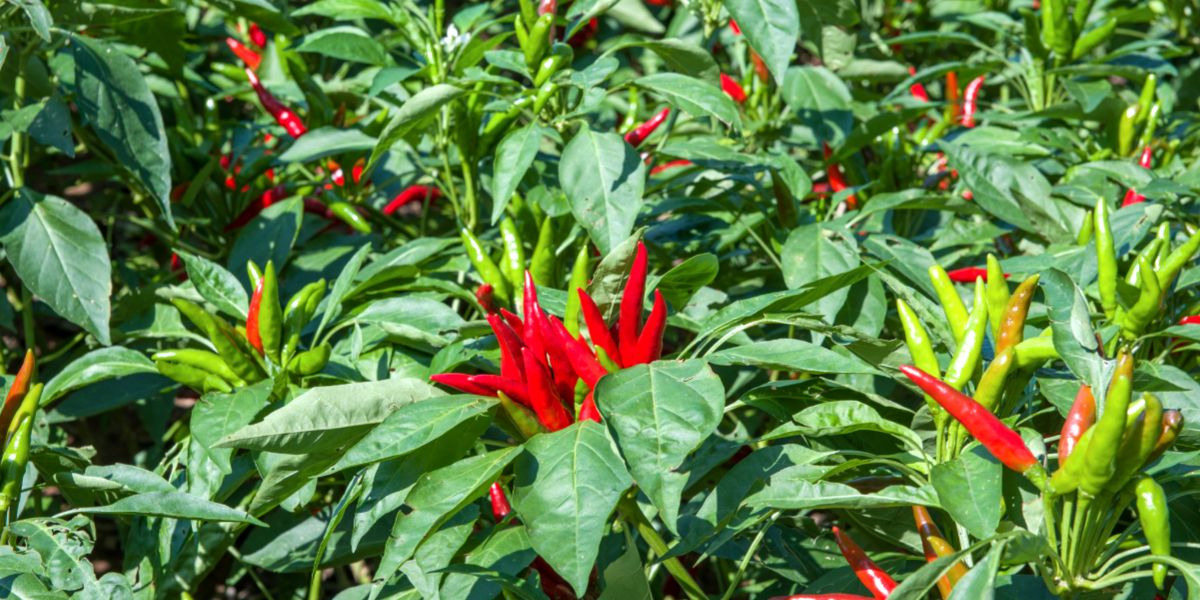
Is your indoor chili garden struggling, even though you’re providing plenty of light and water? The secret to truly thriving apartment chili plants might be something you haven't considered: proper air circulation.
Growing peppers indoors offers a rewarding experience, allowing you to enjoy fresh chilies year-round, regardless of the outdoor climate. However, the controlled environment of your home presents unique challenges. Unlike outdoor gardens, indoor spaces often lack natural breezes and ventilation, which can significantly impact your chili plants' health and productivity. This article will guide you through understanding and implementing effective air circulation strategies for your indoor chili growing success.
Why Airflow Matters for Healthy Indoor Chili Plants
Good airflow is crucial for several key reasons when you're dedicated to container gardening for chilies. It plays a vital role in preventing diseases, strengthening plants, and even aiding in pollination.
Disease Prevention: Stagnant air creates a humid environment that's a breeding ground for fungal diseases like powdery mildew and botrytis (grey mold). A gentle breeze helps to dry leaves, making it difficult for these pathogens to take hold. Stronger Plants: Just like outdoor plants toughen up in the wind, gentle airflow indoors strengthens chili plants. It encourages them to develop stronger stems, which are better able to support heavy fruit loads. Pest Control: While it doesn't eliminate pests entirely, moving air makes it harder for pests like aphids and spider mites to establish themselves and spread. Improved Pollination: Indoor environments lack the natural pollinators (bees, wind) that help chili plants produce fruit. While you can hand-pollinate, airflow can assist in distributing pollen within the blossoms, improving fruit set, especially when combined with a gentle tap to the stems. Temperature Regulation:Air circulation helps to distribute heat evenly, preventing hot spots near grow lights or cold spots near windows. This creates a more consistent and comfortable environment for your chili plants.
Easy Ways to Improve Air Circulation for Apartment Chili Plants
Fortunately, boosting airflow for your indoor chili garden doesn't require expensive equipment or complex setups. Here are several practical and effective methods you can implement immediately:
1.Strategic Plant Placement: Avoid overcrowding your chili plants. Give each plant enough space so that air can flow freely around its leaves and stems. If you have a lot of plants, consider staggering their placement to maximize air movement.
2.Open Windows (When Possible): On mild days, opening a window near your indoor chili garden can provide natural ventilation. Be mindful of drafts and temperature extremes, especially if you live in an area with cold winters or hot summers. Avoid direct wind blasts onto your plants.
3.Use a Small Fan: A small oscillating fan is one of the most effective and affordable ways to improve airflow. Position the fan so that it gently circulates air around your plants, avoiding direct blasts of air on any single plant for long periods. Run the fan for several hours each day, ideally on a timer for convenience.
4.Pruning and Thinning: Regularly prune your chili plants to remove any dead, damaged, or overcrowded leaves. This not only improves airflow but also allows more light to reach the inner parts of the plant.
5.Maximize Vertical Space: If you are tight on horizontal space, consider using vertical shelving or hanging planters to elevate some of your plants. This can naturally improve airflow around the lower plants.
6.Consider a Grow Tent: While it may seem counterintuitive, a grow tent can actually help with airflow. Most tents have ventilation ports designed to be used with small fans and carbon filters, creating a controlled environment.
7.Pay Attention to Humidity: While airflow helps prevent fungal diseases, high humidity levels can still be a problem. Consider using a dehumidifier if your indoor environment is consistently too humid (above 60-70%). Conversely, if the air is too dry (below 40%), use a humidifier to maintain optimal moisture levels.
Optimizing Your Indoor Chili Garden Environment
Beyond simply improving air circulation, consider these additional factors to create the ideal environment for your indoor chili plants:
Lighting
Grow Lights are Essential: While a sunny windowsill can provide some light, it's usually not enough for optimal chili production. Invest in high-quality grow lights specifically designed for plants. LED grow lights are energy-efficient and provide the full spectrum of light that chili plants need. Proper Light Placement: Position your grow lights so that they provide even coverage to all of your chili plants. Adjust the height of the lights as your plants grow to maintain the optimal distance. Generally, the tops of your plants should be 6-12 inches from the light source. Light Duration:Chili plants typically need 14-16 hours of light per day during the vegetative stage and 12-14 hours during the flowering and fruiting stages. Use a timer to ensure consistent light cycles.
Watering
Watering Frequency: How often you water your indoor chili plants will depend on factors such as the size of the pot, the type of potting mix, and the temperature and humidity of your environment. A general rule of thumb is to water when the top inch of soil feels dry to the touch. Watering Technique: Water thoroughly, ensuring that the entire root ball is moistened. Allow excess water to drain out of the bottom of the pot to prevent root rot. Avoid getting water on the leaves, as this can promote fungal diseases. Water Quality: Use filtered or dechlorinated water whenever possible. Tap water can contain chlorine and other chemicals that can harm chili plants. Consider Self-Watering Systems: If you struggle with watering consistently, consider using self-watering pots or a hydroponic chili growing system. These systems can help to maintain consistent moisture levels in the soil.
Nutrition
Fertilizing Regularly: Chili plants are heavy feeders and require regular fertilization to thrive. Use a balanced liquid fertilizer specifically formulated for vegetables or flowering plants. Follow the instructions on the fertilizer label carefully, as over-fertilizing can be harmful. Adjust Fertilizer Based on Stage: During the vegetative stage, use a fertilizer with a higher nitrogen content to promote leaf growth. During the flowering and fruiting stages, switch to a fertilizer with a higher phosphorus and potassium content to encourage flower and fruit production. Consider Organic Options:There are many excellent organic fertilizers available, such as fish emulsion, seaweed extract, and compost tea. These fertilizers are gentle on plants and beneficial for soil health.
Pollination Assistance
Hand Pollination: Since you don’t have the benefit of bees and other insects helping with pollination, you need to step in. When your chilies start to flower, gently transfer pollen from one flower to another using a small paintbrush or cotton swab. Alternatively, you can gently shake the plants to release pollen. Timing is Key: Pollinate your chili plants in the morning, when the pollen is most viable. Repeat the pollination process every few days to ensure successful fruit set. Increase Humidity:Slightly increasing humidity can help with pollen viability.
Troubleshooting Common Issues in Indoor Chili Gardening
Even with the best care, you may encounter problems when growing peppers indoors. Here are some common issues and how to address them: Leaf Drop: Leaf drop can be caused by a variety of factors, including overwatering, underwatering, nutrient deficiencies, temperature stress, or pest infestations. Examine your plants carefully to identify the cause and adjust your care accordingly. Lack of Fruit Set: If your chili plants are flowering but not producing fruit, it could be due to inadequate pollination, insufficient light, or temperature extremes. Ensure that you are hand-pollinating your plants regularly, providing adequate light, and maintaining a consistent temperature. Pest Infestations: Aphids, spider mites, and whiteflies are common pests that can infest indoor chili plants. Inspect your plants regularly for signs of infestation and take action promptly. You can treat infestations with insecticidal soap, neem oil, or other organic pest control methods. Fungal Diseases: Powdery mildew and botrytis (grey mold) are common fungal diseases that can affect indoor chili plants. Improve air circulation, avoid getting water on the leaves, and treat affected plants with a fungicide if necessary.
Hydroponic Chili Growing: An Alternative Approach
For those looking for a more advanced method, hydroponic chili growing offers several advantages: Faster Growth: Hydroponic systems provide plants with readily available nutrients, resulting in faster growth rates. Higher Yields: With optimal nutrient delivery and environmental control, hydroponic chili plants can produce significantly higher yields than traditional soil-based methods. Water Conservation: Hydroponic systems recycle water, making them more water-efficient than soil-based gardening. Pest and Disease Control: Hydroponic systems can reduce the risk of soilborne pests and diseases.
There are various types of hydroponic systems suitable for growing chili peppers indoors, including deep water culture (DWC), nutrient film technique (NFT), and drip systems. Research each type to determine which is best suited to your needs and budget.
FAQs About Air Circulation and Indoor Chili Growing
Why are my indoor chili plant leaves curling?
Curling leaves on your indoor chili plant can indicate several problems. One possibility is insufficient watering, but it can also mean your plant is getting too much direct light and experiencing heat stress. Pests can also cause leaf curl, so inspect carefully for aphids or spider mites. Finally, sudden temperature changes can trigger leaf curling. Adjust watering, light exposure, and temperature to see if the problem resolves. Ensure good airflow to help regulate temperature and humidity around the plant.
How do I hand-pollinate my indoor chili plants?
Hand-pollinating is crucial for apartment chili plants, as they lack natural pollinators. Use a small, soft paintbrush to gently collect pollen from the stamen (the male part) of one flower and transfer it to the pistil (the female part) of another flower. You can also use a cotton swab for this process. A gentle tapping or shaking of the plant stem can also help release pollen. Do this in the morning for best results.
How often should I water my container gardening chilies?
The frequency of watering your container gardening chilies depends on several factors, including the size of the pot, the type of soil, the temperature, and the humidity. A good rule of thumb is to water when the top inch of soil feels dry to the touch. Make sure the pot has drainage holes to prevent waterlogging. Overwatering can lead to root rot, so err on the side of slightly underwatering rather than overwatering.
Taking the time to understand and implement these strategies will significantly improve the health and productivity of your indoor chili garden. Don't underestimate the importance of creating a well-ventilated environment for your plants. By focusing on airflow, lighting, watering, and nutrition, you'll be well on your way to harvesting a bountiful crop of delicious, homegrown chilies, no matter the season! Now get growing!

Post a Comment