
Many chili enthusiasts dream of harvesting fiery peppers year-round, regardless of the season or climate. But can you really bring the heat indoors? Absolutely! With the right approach, growing peppers indoors is not only possible, but it can be incredibly rewarding.
Indoor chili gardening opens up a world of possibilities. You gain complete control over the growing environment, extending your harvest beyond the typical outdoor season. Plus, it's a fantastic way to add a touch of vibrant greenery (and eventual red-hot chilies!) to your living space. This guide will walk you through everything you need to know to achieve indoor chili plant success, from choosing the right lights to mastering the art of indoor pollination.
Choosing the Right LED Grow Lights for Your Chili Plants
The most crucial element for successful indoor chili growing is providing adequate light. While a sunny windowsill might work in some cases, it's rarely sufficient, especially during the darker months. That's where LED grow lights come in. They provide the full spectrum of light your chili plants need to thrive, mimicking the sun's energy and fueling healthy growth and pepper production.
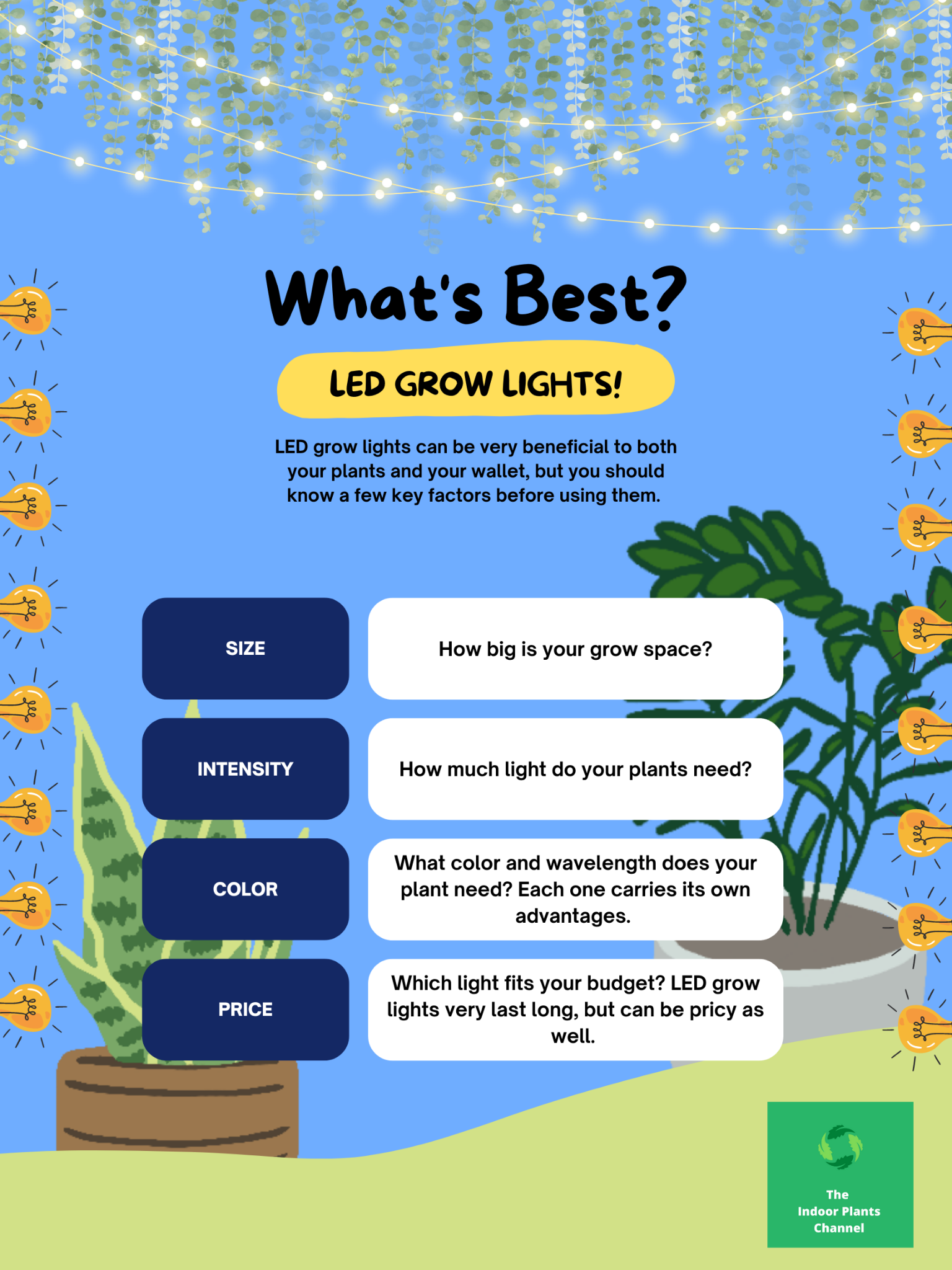
Here’s a breakdown of what to consider when selecting LED grow lights for your indoor chili garden: Spectrum:Look for full-spectrum LED grow lights. These lights emit a range of colors that closely resemble natural sunlight, providing everything your chili plants need for photosynthesis. Some lights are specifically designed for vegetative growth (more blue light) or flowering and fruiting (more red light). You can even find adjustable spectrum lights that allow you to fine-tune the output to match your plant's current stage of development.
Intensity (PPFD): PPFD stands for Photosynthetic Photon Flux Density, which measures the amount of light that actually reaches your plants. Chili peppers need a good amount of light, especially when fruiting. Aim for a PPFD of around 400-600 µmol/m²/s for vegetative growth and 600-800 µmol/m²/s during flowering and fruiting. The light manufacturer should provide PPFD charts at different distances.
Type of LED: Several types of LED grow lights are available, including panel lights, strip lights, and bulb-style lights. Panel lights offer a broad, even light distribution, making them ideal for larger growing areas. Strip lights are great for smaller spaces or for supplementing existing light. Bulb-style LEDs are convenient for single plants or small groups.
Size and Coverage: Consider the size of your growing area and the number of plants you plan to grow. Choose a light that provides adequate coverage for all your chili plants. Overlapping light patterns can be a good way to ensure full coverage.
Heat Dissipation: LED grow lights generate heat, although significantly less than traditional high-pressure sodium (HPS) or metal halide (MH) lights. Look for lights with good heat sinks or built-in fans to prevent overheating, which can damage your plants.
Energy Efficiency: LEDs are known for their energy efficiency. Check the wattage of the light and compare it to the output. A more efficient light will save you money on your electricity bill.
Timer: Consider using a timer to automate your light cycle. Chili peppers typically need 14-16 hours of light per day during vegetative growth and 12-14 hours during flowering and fruiting. An automated timer will ensure consistent light exposure, even when you're away.
Setting Up Your Indoor Chili Garden: A Step-by-Step Guide
Once you have your LED grow lights, it's time to set up your indoor chili garden. Here’s a step-by-step guide to get you started:
1.Choose Your Chili Varieties: Select chili varieties that are well-suited for container gardening. Smaller, compact varieties like Thai peppers, habaneros, and jalapenos tend to do well indoors.
2.Select the Right Containers: Choose pots that are at least 5 gallons in size to provide ample room for root growth. Ensure the pots have drainage holes to prevent waterlogging.
3.Use a High-Quality Potting Mix: Avoid using garden soil, as it can compact and hinder drainage. Instead, use a well-draining potting mix specifically formulated for container gardening. A mix of coco coir, perlite, and vermiculite works well.
4.Plant Your Chili Seeds or Seedlings: If starting from seeds, sow them indoors 6-8 weeks before you want to transplant them into their final containers. Alternatively, purchase seedlings from a local nursery.
5.Position Your Plants Under the Lights: Place your chili plants under the LED grow lights, ensuring they are the appropriate distance from the light source. Consult the light manufacturer's instructions for optimal placement.
6.Set Up a Watering Schedule: Water your chili plants regularly, allowing the soil to dry slightly between waterings. Avoid overwatering, as this can lead to root rot.
7.Provide Adequate Ventilation: Good air circulation is essential for preventing fungal diseases. If possible, use a small fan to gently circulate the air around your plants.
8.Fertilize Regularly: Chili peppers are heavy feeders, so fertilize them regularly with a balanced fertilizer. Use a fertilizer with a higher phosphorus content during flowering and fruiting to promote pepper production.
Watering and Nutrients for Indoor Chili Plants
Watering is a critical aspect of indoor chili growing. Overwatering is a common mistake that can lead to root rot and other problems. Here are some tips for watering your indoor chili plants: Check the Soil Moisture: Before watering, check the soil moisture by sticking your finger about an inch into the soil. If the soil feels dry, it's time to water. Water Thoroughly: When you water, water deeply until water drains out of the drainage holes. This ensures that the entire root system is moistened. Avoid Overwatering: Allow the soil to dry slightly between waterings. Soggy soil can suffocate the roots and create an environment conducive to fungal diseases. Use Room Temperature Water: Avoid using cold water, as it can shock the roots. Consider Bottom Watering:Bottom watering can help prevent fungal diseases by keeping the foliage dry. Place your pot in a saucer filled with water and allow the plant to absorb the water from the bottom.
In addition to proper watering, your indoor chili plants will need regular fertilization to thrive.
Use a Balanced Fertilizer: Start with a balanced fertilizer with an N-P-K ratio of 10-10-10 or similar. Increase Phosphorus During Flowering: When your plants start to flower, switch to a fertilizer with a higher phosphorus content (e.g., 5-10-5) to promote pepper production. Use Liquid Fertilizer: Liquid fertilizers are easy to apply and are quickly absorbed by the plants. Fertilize Regularly: Fertilize your plants every 2-3 weeks, following the instructions on the fertilizer label. Avoid Over-Fertilizing:Over-fertilizing can burn the roots and damage your plants.
Pollinating Indoor Chili Plants
Since you're growing indoors, your chili plants won't have access to natural pollinators like bees and butterflies. You'll need to hand-pollinate your plants to ensure they produce peppers. Here are a few methods you can use: Shake the Plant: Gently shake the plant to release pollen from the flowers. Use a Small Brush: Use a small, soft brush (like a paintbrush) to transfer pollen from one flower to another. Use a Cotton Swab: Use a cotton swab to collect pollen from one flower and transfer it to the stigma of another flower. Use an Electric Toothbrush: Gently touch the back of each flower with an electric toothbrush to vibrate the pollen loose.
Pollinate your chili plants every day or every other day, especially when they are flowering.
Troubleshooting Common Problems with Indoor Chili Plants
Even with the best care, you may encounter some problems when growing chili peppers indoors. Here are some common issues and how to address them: Leaf Drop: Leaf drop can be caused by a variety of factors, including overwatering, underwatering, nutrient deficiencies, and temperature stress. Adjust your watering schedule and fertilize your plants regularly. Ensure the temperature is within the ideal range (65-80°F). Yellowing Leaves: Yellowing leaves can be a sign of nutrient deficiencies, especially nitrogen deficiency. Fertilize your plants with a balanced fertilizer. Pests: Common pests that can affect indoor chili plants include aphids, spider mites, and whiteflies. Inspect your plants regularly and treat any infestations promptly with insecticidal soap or neem oil. Fungal Diseases: Fungal diseases like powdery mildew and damping-off can be a problem in humid environments. Ensure good air circulation and avoid overwatering. Treat any fungal infections with a fungicide. Lack of Pepper Production:A lack of pepper production can be caused by insufficient light, poor pollination, or nutrient deficiencies. Ensure your plants are receiving enough light, hand-pollinate the flowers, and fertilize regularly.
Hydroponic Chili Growing: An Alternative Approach
For the adventurous gardener, hydroponic chili growing offers an alternative to traditional soil-based methods. Hydroponics involves growing plants in nutrient-rich water solutions without soil. This method can lead to faster growth and higher yields. Several hydroponic systems are suitable for chili peppers, including deep water culture (DWC), nutrient film technique (NFT), and ebb and flow (flood and drain). You'll need to pay careful attention to the p H and nutrient levels of the water solution to ensure optimal plant health.
Frequently Asked Questions About Indoor Chili Growing
How much light do my indoor chili plants need?
Indoor chili plants need approximately 14-16 hours of light per day during their vegetative stage, reducing to 12-14 hours during the flowering and fruiting stages. Using a timer with your LED grow lights can help automate this process and ensure consistency.
What are the best chili varieties for indoor growing?
Smaller, more compact chili varieties tend to thrive in indoor container gardens. Some popular choices include Thai peppers, habaneros, jalapenos, and certain ornamental peppers. Consider the size of your space and the level of heat you desire when selecting your varieties.
How do I know when to harvest my indoor chili peppers?
The time to harvest depends on the specific chili variety. Generally, peppers are ready to harvest when they have reached their mature color (usually red, yellow, or orange) and are firm to the touch. You can also refer to the seed packet or plant tag for specific harvesting instructions.
With the right equipment, knowledge, and a little dedication, you can successfully cultivate a thriving indoor chili garden. Imagine fresh, homegrown chilies available at your fingertips, no matter the season! Don't be afraid to experiment, learn from your experiences, and enjoy the fiery fruits of your labor. Happy growing!

Post a Comment