
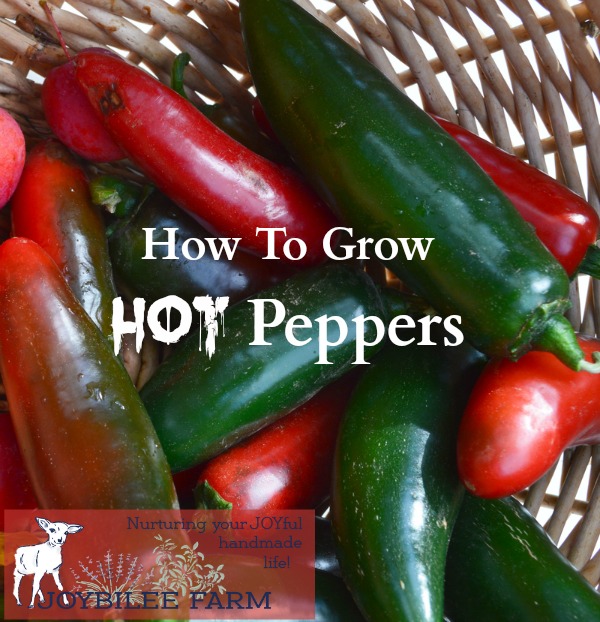
Is your apartment feeling a little bland? Do you crave the satisfaction of growing your own food, even without a backyard? You might be surprised to learn that fiery, flavorful chili peppers can thrive indoors, bringing both beauty and spice to your living space.
Growing chili peppers indoors is a rewarding experience that allows you to enjoy fresh chilies year-round, regardless of the weather outside. It's also a fantastic way to add a touch of greenery and personality to your apartment. Whether you're a seasoned gardener or a complete beginner, with the right knowledge and setup, you can successfully cultivate these vibrant plants and harvest your own supply of heat. This guide will walk you through everything you need to know to start your indoor chili garden.
Getting Started with Indoor Chili Gardening
The first step to successful apartment chili plants is understanding the fundamentals. Here's a breakdown of the key factors to consider before you even plant a seed: Choosing the Right Pepper Varieties:Not all chili peppers are created equal, especially when it comes to indoor growing. Compact varieties like Thai peppers, Tabasco peppers, Scotch Bonnets, and even some smaller Jalapeño cultivars tend to do well in containers. Look for varieties that are labeled as "compact" or "suitable for containers."
Selecting the Right Container: Opt for pots that are at least 1-2 gallons in size. Good drainage is crucial, so make sure your chosen containers have drainage holes. Terracotta pots are a great choice because they allow the soil to breathe, but plastic pots work well too and retain moisture longer.
Choosing the Right Soil: Use a well-draining potting mix specifically formulated for containers. Avoid using garden soil, as it can become compacted and doesn't provide adequate drainage. A mix containing peat moss, perlite, and vermiculite is a good starting point.
Sourcing Seeds or Seedlings: You can start your chili plants from seed or purchase seedlings from a local nursery or online retailer. Starting from seed gives you more control over the process, but it requires more time and effort. Seedlings offer a quicker route to harvest.
Lighting the Way: The Importance of Light for Indoor Peppers
Adequate light is arguably the most crucial factor for successful indoor chili growing. Chili peppers need at least 6-8 hours of direct sunlight per day. Unfortunately, most apartments don't offer that much natural light. That's where grow lights come in.
Types of Grow Lights: There are several types of grow lights available, each with its own pros and cons: LED Grow Lights: These are the most energy-efficient and produce very little heat. They are a great choice for beginners and can be easily found online. Look for "full-spectrum" LED grow lights, which provide the entire range of light that plants need.
Fluorescent Grow Lights (T5 or CFL): These are less expensive than LEDs but also less efficient. They produce more heat and need to be replaced more frequently.
High-Intensity Discharge (HID) Lights (HPS or MH): These are the most powerful grow lights but also produce the most heat and consume the most energy. They are generally not recommended for small apartment setups.
Placement and Distance: Position your grow lights 6-12 inches above your chili plants. You may need to adjust the distance depending on the intensity of the light. Observe your plants closely for signs of light stress, such as leaf burn or yellowing.
Light Schedule: Use a timer to ensure your plants receive a consistent 14-16 hours of light per day during the vegetative stage (when the plants are growing leaves) and 12 hours of light per day during the flowering and fruiting stage.
Watering and Feeding Your Indoor Chili Plants
Proper watering and fertilization are essential for healthy growth and abundant harvests.
Watering: Water your chili plants when the top inch of soil feels dry to the touch. Avoid overwatering, as this can lead to root rot. When you water, water thoroughly until water drains out of the drainage holes.
Fertilizing: Chili peppers are heavy feeders and need regular fertilization. Use a balanced liquid fertilizer (e.g., 20-20-20) diluted to half strength every 2-3 weeks during the growing season. Once your plants start flowering, switch to a fertilizer with a higher phosphorus content (e.g., 10-30-20) to promote fruit production.
Nutrient Deficiencies: Keep an eye out for signs of nutrient deficiencies, such as yellowing leaves (nitrogen deficiency), stunted growth (phosphorus deficiency), or curling leaves (potassium deficiency). Adjust your fertilization schedule accordingly.
Pollination Indoors: Helping Your Peppers Set Fruit
In nature, chili peppers are pollinated by insects or wind. Indoors, you may need to assist with pollination to ensure your plants produce fruit.
Hand Pollination: The easiest way to pollinate your indoor chili plants is by hand. Use a small paintbrush or cotton swab to gently transfer pollen from the stamen (the male part of the flower) to the pistil (the female part of the flower). Do this daily when the flowers are open.
Air Circulation: A gentle breeze can also help with pollination. You can use a small fan to circulate the air around your plants.
Self-Pollinating Varieties: Some chili pepper varieties are self-pollinating, meaning they don't require any assistance with pollination. These are a good choice for beginners.
Troubleshooting Common Problems with Indoor Chili Plants
Even with the best care, you may encounter some problems when growing peppers indoors. Here are some common issues and how to address them: Pests:Aphids, spider mites, and whiteflies are common pests that can infest indoor chili plants. Inspect your plants regularly for signs of infestation, such as small insects on the leaves or sticky residue. Treat infestations with insecticidal soap or neem oil.
Diseases: Fungal diseases such as powdery mildew and root rot can also affect indoor chili plants. Ensure good air circulation and avoid overwatering to prevent these diseases. Treat affected plants with a fungicide.
Blossom Drop: Blossom drop is when the flowers fall off the plant without producing fruit. This can be caused by several factors, including temperature stress, lack of pollination, and nutrient deficiencies. Ensure your plants are receiving adequate light, water, and nutrients, and assist with pollination if necessary.
Beyond the Basics: Advanced Indoor Chili Growing Techniques
Ready to take your indoor chili growing to the next level? Here are some advanced techniques to consider: Hydroponic Chili Growing:Hydroponics is a method of growing plants without soil, using a nutrient-rich water solution. This can be a highly efficient way to grow chili peppers indoors, as it allows for precise control over the plant's environment.
Pruning: Pruning your chili plants can help to promote bushier growth and increase fruit production. Remove any dead or yellowing leaves and pinch off the tips of the branches to encourage branching.
Cloning: Cloning is a method of propagating new plants from cuttings. This allows you to easily replicate your favorite chili pepper varieties.
Frequently Asked Questions About Growing Peppers Indoors
What are the best chili pepper varieties for container gardening chilies?
Compact varieties like Thai peppers, Tabasco peppers, and smaller Jalapeño cultivars are generally best suited for container gardening. Look for varieties specifically labeled for container growing.
How often should I water my indoor chili plants?
Water when the top inch of soil feels dry. Ensure good drainage to prevent overwatering.
Do I really need grow lights for apartment chili growing?
While some natural light is beneficial, grow lights are often necessary, especially in apartments with limited sunlight. They provide the consistent light levels needed for healthy growth and fruiting.
Growing chili peppers inside your apartment is an achievable and thoroughly satisfying endeavor. By providing the right environment, paying attention to watering and feeding, and assisting with pollination when necessary, you can enjoy a bountiful harvest of spicy peppers right in your own home. So, embrace the challenge, experiment with different varieties, and enjoy the fiery rewards of your indoor chili garden!

Post a Comment