
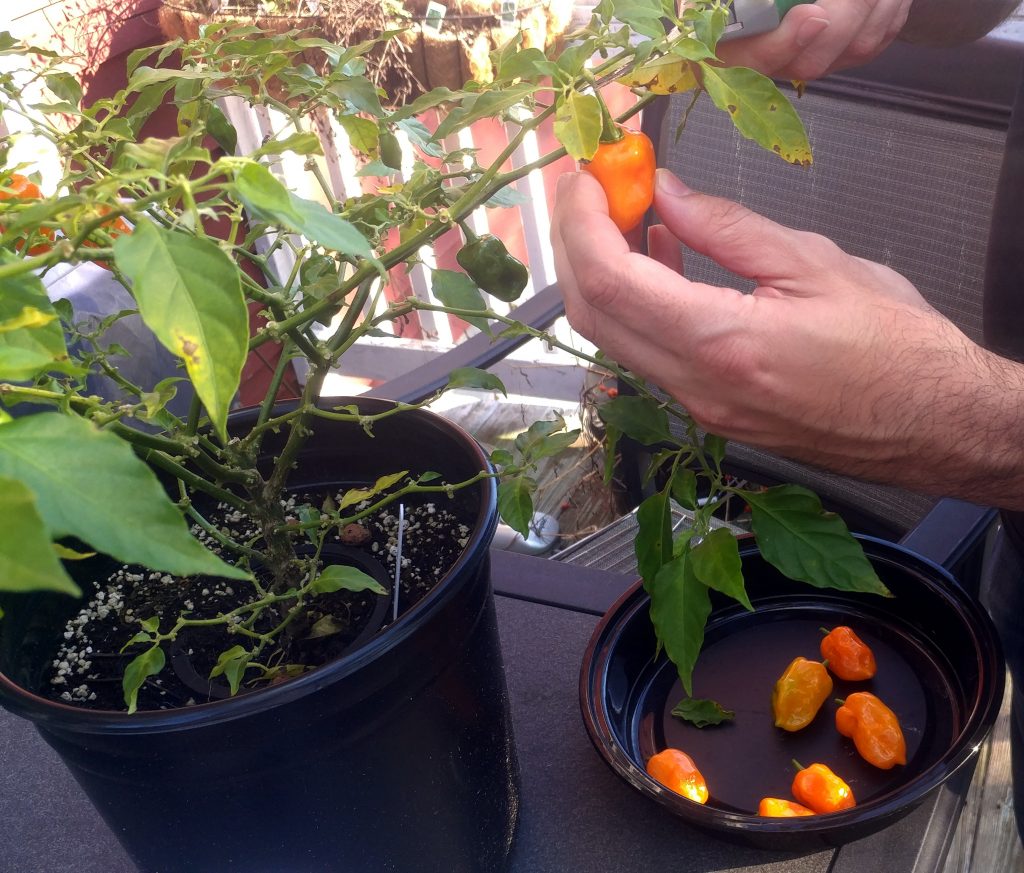
Tired of bland grocery store peppers and dreaming of fiery flavors right at your fingertips? Many gardeners are discovering the joy of cultivating their own chili peppers indoors, bringing a vibrant touch of green (and red, yellow, or orange!) to their homes. But where do you begin?
Growing peppers indoors is more than just a fun hobby; it's a rewarding way to access fresh, flavorful ingredients year-round, especially if you live in a colder climate or have limited outdoor space. Understanding which varieties thrive in a controlled environment, and how to cater to their specific needs, is key to a successful and bountiful harvest. This guide will walk you through the process of selecting the perfect chilies for your indoor garden, providing practical advice and tips to help you become an apartment chili-growing pro.
Choosing the Right Chili Peppers for Your Indoor Space
The good news is that many chili pepper varieties can be successfully grown indoors. The secret is selecting those that are well-suited to container gardening and can flourish under artificial lighting, if needed. Consider these factors when making your selection: Plant Size: Space is often a premium indoors. Opt for compact or dwarf varieties that won't quickly outgrow your available area. Lighting Requirements: Some chili peppers need more intense light than others. Be realistic about the amount of natural light you can provide and be prepared to supplement with grow lights if necessary. Maturity Time: Quicker-maturing varieties will yield sooner, providing faster gratification and a more continuous harvest. Heat Level: Choose peppers that align with your taste preferences. From mild to scorching, there's an indoor chili for every palate.
Here are a few excellent choices for apartment chili plants: Thai Peppers (Bird's Eye): These compact plants produce prolific amounts of small, fiery peppers. They are relatively easy to grow and perfect for adding a kick to Asian-inspired dishes. Tabasco Peppers: Famous for their use in Tabasco sauce, these plants are surprisingly well-suited for indoor growing. They offer a medium heat level and a unique, slightly smoky flavor. Jalapeño Peppers: A classic choice! Many compact Jalapeño cultivars exist. They are versatile and relatively easy to grow, making them a great option for beginners. Serrano Peppers: Similar to Jalapeños in terms of ease of growth, Serranos offer a bit more heat and a slightly brighter flavor. Poblano Peppers (Ancho): While larger than other options on this list, Poblano plants are manageable with proper pruning and can provide a decent yield of mild, flavorful peppers perfect for stuffing. Ornamental Peppers: These peppers are grown for their striking colors and compact size. While often edible, they can range in heat levels, so do your research before consuming. Examples include 'Black Pearl' and 'Purple Flash'.
Setting Up Your Indoor Chili Garden
Once you've selected your chili type, it's time to create the ideal environment for your indoor garden. Here are some essential elements to consider:
1.Containers: Choose pots that are at least 1-2 gallons in size. Ensure they have drainage holes to prevent waterlogging. Fabric pots are an excellent option as they allow for good aeration and drainage.
2.Potting Mix: Use a well-draining potting mix specifically formulated for containers. Avoid using garden soil, as it can become compacted and doesn't provide adequate drainage. A mix of peat moss, perlite, and vermiculite works well.
3.Lighting: Chili peppers need at least 6-8 hours of sunlight per day. If you don't have a sunny window, invest in grow lights. LED grow lights are energy-efficient and provide the full spectrum of light that plants need to thrive. Consider T5 fluorescent lights as an alternative.
4.Temperature: Maintain a consistent temperature between 70-80°F (21-27°C) during the day and slightly cooler at night. Avoid placing your plants near drafts or heating vents.
5.Humidity: Chili peppers prefer moderate humidity levels. If your indoor environment is too dry, use a humidifier or place a tray of water near your plants.
Caring for Your Indoor Chili Plants
Consistent care is crucial for healthy and productive indoor chili plants. Here's a routine to follow: Watering: Water thoroughly when the top inch of soil feels dry to the touch. Avoid overwatering, as this can lead to root rot. Allow excess water to drain from the bottom of the pot. Check more frequently during warmer months. Fertilizing: Feed your plants with a balanced liquid fertilizer every 2-3 weeks during the growing season. Look for a fertilizer that is specifically formulated for tomatoes or peppers. Reduce or stop fertilizing during the winter months when growth slows down. Pollination: Chili peppers are self-pollinating, but indoor plants may need a little assistance. Gently shake the plants or use a small paintbrush to transfer pollen from one flower to another. A small fan can also help circulate air and facilitate pollination. Pruning: Prune your plants to encourage bushier growth and better air circulation. Remove any yellowing or dead leaves. You can also pinch off the growing tips of young plants to promote branching. Pest Control:Inspect your plants regularly for pests, such as aphids, spider mites, and whiteflies. Treat infestations promptly with insecticidal soap or neem oil. Ensure good airflow around the plants to prevent pest problems.
Troubleshooting Common Issues
Even with the best care, you may encounter some challenges when growing peppers indoors. Here are some common problems and how to address them: Leggy Growth: This is often caused by insufficient light. Move your plants to a sunnier location or supplement with grow lights. Blossom Drop: This can be caused by temperature fluctuations, insufficient pollination, or nutrient deficiencies. Maintain a consistent temperature, ensure proper pollination, and fertilize regularly. Yellowing Leaves: This can be caused by overwatering, underwatering, or nutrient deficiencies. Adjust your watering schedule and fertilize as needed. Check the p H of your soil. Small Peppers: Insufficient light, nutrient deficiencies, or overwatering can cause small peppers. Provide adequate light, fertilize regularly, and adjust your watering schedule.
FAQs About Growing Peppers Indoors
What are the best grow lights for peppers?
LED grow lights are generally considered the best option for indoor chili growing due to their energy efficiency and full-spectrum light output. Look for lights that provide both red and blue light, as these are essential for plant growth and flowering. T5 fluorescent lights are also a good alternative.
How often should I water my indoor chili plants?
Water when the top inch of soil feels dry to the touch. This may be every few days, depending on the size of the pot, the temperature, and the humidity levels. Avoid overwatering, as this can lead to root rot. Ensure the pot has drainage holes.
Can I grow chili peppers hydroponically indoors?
Yes, hydroponic chili growing is a viable option for indoor gardeners. It involves growing plants without soil, using nutrient-rich water solutions. Hydroponics can lead to faster growth and higher yields, but it requires a more specialized setup and a greater understanding of plant nutrition.
Time to Start Your Indoor Chili Adventure!
Growing chili peppers indoors is a rewarding and accessible hobby, no matter your gardening experience. By selecting the right varieties, providing the appropriate environment, and following a consistent care routine, you can enjoy a continuous harvest of fresh, flavorful chilies right in your home. So, embrace the challenge, experiment with different varieties, and get ready to spice up your life with homegrown goodness! With a little patience and dedication, you'll be enjoying your own homegrown chilies in no time!

Post a Comment