
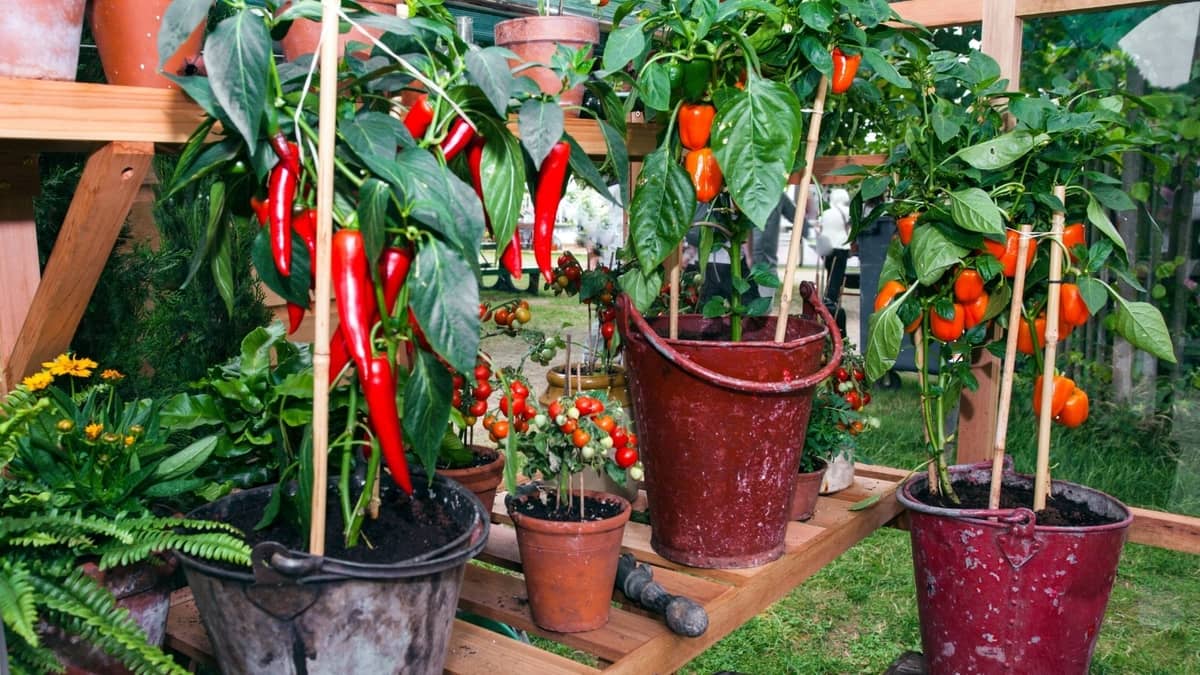
Is the thought of fresh, fiery chilies just a windowsill away too good to be true? Many believe that a thriving chili pepper garden requires vast outdoor space, but the truth is, with the right approach, you can cultivate these vibrant plants right inside your home, all while keeping things eco-friendly.
Bringing the heat indoors is not only possible, but it's also a rewarding experience. Growing peppers indoors allows you to extend the growing season, control the environment, and enjoy fresh chilies year-round. What’s more, it offers a fantastic opportunity to embrace sustainable practices in your gardening journey. This guide will equip you with the knowledge and techniques to successfully grow chilies indoors in an environmentally conscious way.
Getting Started: Eco-Friendly Choices for Indoor Chili Gardening
The foundation of any successful garden, indoor or outdoor, lies in the initial setup. When creating your indoor chili haven, consider these eco-friendly choices: Sustainable Containers: Opt for biodegradable pots made from coconut coir, bamboo, or recycled materials. These reduce plastic waste and often improve soil aeration. Terracotta pots are another excellent option, being both durable and breathable. Organic Soil: Invest in high-quality organic potting mix. Avoid mixes containing synthetic fertilizers or harmful chemicals. Look for mixes rich in compost, worm castings, and other natural ingredients that provide essential nutrients for your chili plants. You can even create your own potting mix by combining compost, peat moss (sustainably sourced), and perlite or vermiculite for drainage. Seed Selection: Choose organic and heirloom chili seeds whenever possible. Heirloom varieties are often more resilient and offer unique flavors and characteristics. Source your seeds from reputable suppliers who prioritize sustainable practices. Consider starting seeds in biodegradable seed trays or small peat pots. Water Conservation: Implement water-saving techniques from the very beginning. Use a watering can with a fine rose to avoid overwatering and minimize water waste. Consider using self-watering planters, which reduce the frequency of watering and prevent water runoff.
The Right Light: Illuminating Your Indoor Chili Patch
Chili plants are sun-loving creatures and require ample light to thrive. When growing peppers indoors, providing sufficient light is crucial, especially during the darker months.
Natural Light: If you have a south-facing window that receives at least 6-8 hours of direct sunlight per day, that's a great starting point. However, even the sunniest window might not be enough, especially during winter. Grow Lights: Supplement natural light with energy-efficient LED grow lights. LEDs consume significantly less energy than traditional grow lights and provide the full spectrum of light that chili plants need for healthy growth and fruit production. Look for "full spectrum" LEDs designed for plant growth. Position the lights a few inches above the plants, adjusting the height as they grow. A timer can automate the on/off cycle, typically 14-16 hours of light per day. Light Reflectors:Enhance light distribution by using reflective surfaces around your plants. White walls, aluminum foil, or mylar can bounce light back onto the plants, maximizing its effectiveness.
Watering Wisely: Hydration Habits for Apartment Chili Plants
Proper watering is essential for healthy chili pepper growth. Overwatering and underwatering are common mistakes, so finding the right balance is key.
The Finger Test: Before watering, stick your finger about an inch into the soil. If it feels dry, it's time to water. If it feels moist, hold off. Watering Technique: Water thoroughly, allowing the water to drain out of the bottom of the pot. This ensures that the entire root system is hydrated. Avoid watering the leaves, as this can encourage fungal diseases. Water Quality: Use filtered or dechlorinated water, as tap water can contain chemicals that are harmful to plants. Rainwater is an excellent option if you can collect it. Watering Schedule: Adjust your watering schedule based on the weather, the size of your plants, and the type of pot you're using. Smaller pots and warmer temperatures will require more frequent watering.
Feeding Your Flames: Nutrients for Bountiful Indoor Chilies
Chili plants require a balanced diet of nutrients to produce abundant, flavorful peppers.
Organic Fertilizers: Feed your plants with organic fertilizers specifically formulated for fruiting plants. Look for fertilizers rich in phosphorus and potassium, which are essential for flower and fruit development. Compost Tea: A great organic option is compost tea, which is made by steeping compost in water. This provides a gentle, slow-release source of nutrients. Worm Castings: Another excellent amendment is worm castings, which are rich in beneficial microbes and nutrients. Fertilizing Schedule: Follow the instructions on your chosen fertilizer, but generally, fertilize every 2-4 weeks during the growing season. Reduce or stop fertilizing during the winter months when plant growth slows down.
Pollination Power: Assisting Nature Indoors
In an outdoor garden, wind and insects naturally pollinate chili plants. Indoors, you'll need to lend a helping hand.
Hand Pollination: Use a small paintbrush or cotton swab to gently transfer pollen from one flower to another. Do this in the morning when the pollen is most viable. Air Circulation: A gentle breeze can also help with pollination. Use a small fan to create air movement around your plants. Self-Pollinating Varieties:Some chili varieties are self-pollinating, meaning they can pollinate themselves without assistance. Consider these if you're looking for a low-maintenance option.
Pest Patrol: Eco-Friendly Ways to Protect Your Peppers
Even indoors, chili plants can be susceptible to pests. Prevention is always the best approach, but if pests do appear, there are eco-friendly ways to deal with them.
Regular Inspection: Inspect your plants regularly for signs of pests, such as aphids, spider mites, or whiteflies. Neem Oil: Neem oil is a natural insecticide and fungicide that can be used to control a wide range of pests. Dilute neem oil with water and spray it on your plants, paying particular attention to the undersides of the leaves. Insecticidal Soap: Insecticidal soap is another effective and safe option for controlling soft-bodied pests like aphids and whiteflies. Beneficial Insects: Introduce beneficial insects, such as ladybugs or lacewings, to your indoor garden. These natural predators will feed on pests and help keep them under control.
Troubleshooting Common Issues in Indoor Chili Growing
Even with the best care, you might encounter some challenges when growing peppers indoors. Here are some common issues and how to address them: Yellowing Leaves: This can be caused by overwatering, underwatering, nutrient deficiencies, or pests. Adjust your watering schedule, fertilize your plants, and inspect them for pests. Blossom Drop: This is when the flowers fall off the plant without producing fruit. It can be caused by temperature stress, lack of pollination, or nutrient deficiencies. Ensure your plants are getting adequate light, pollinate the flowers manually, and fertilize them with a balanced fertilizer. Stunted Growth:This can be caused by lack of light, poor soil, or rootbound plants. Provide your plants with adequate light, repot them into larger containers with fresh soil, and fertilize them regularly.
Harvesting and Enjoying Your Homegrown Heat
Once your chilies have reached their mature color and size, it's time to harvest! Use pruning shears or scissors to cut the peppers from the plant, leaving a small stem attached. Store your chilies in a cool, dry place, or use them fresh in your favorite recipes. You can also dry, freeze, or pickle them for later use.
Growing chilies indoors is a rewarding experience that allows you to enjoy fresh, flavorful peppers year-round. By following these eco-friendly tips, you can cultivate a thriving indoor chili garden while minimizing your impact on the environment. So, get started today and bring the heat indoors!
Frequently Asked Questions About Growing Chili Peppers Indoors
####*What are the easiest chili varieties to grow indoors?
Generally, smaller chili varieties like Thai chilies, habaneros, and jalapenos are well-suited for indoor container gardening. They tend to be compact and productive in smaller spaces. Some bushier varieties of bell peppers are also an option if you’re looking for something milder!
####How often should I repot my indoor chili plants?
Repotting frequency depends on the growth rate and size of your plant. A good rule of thumb is to repot when the roots start circling the inside of the pot or when the plant becomes rootbound. Typically, this is every 12-18 months.
####*Can I grow chili peppers hydroponically indoors?
Yes, hydroponic chili growing is definitely feasible indoors and can lead to faster growth and higher yields. You'll need a hydroponic system, appropriate nutrients, and a controlled environment. Research different hydroponic methods like deep water culture or nutrient film technique to see what suits your space and budget.

Post a Comment