
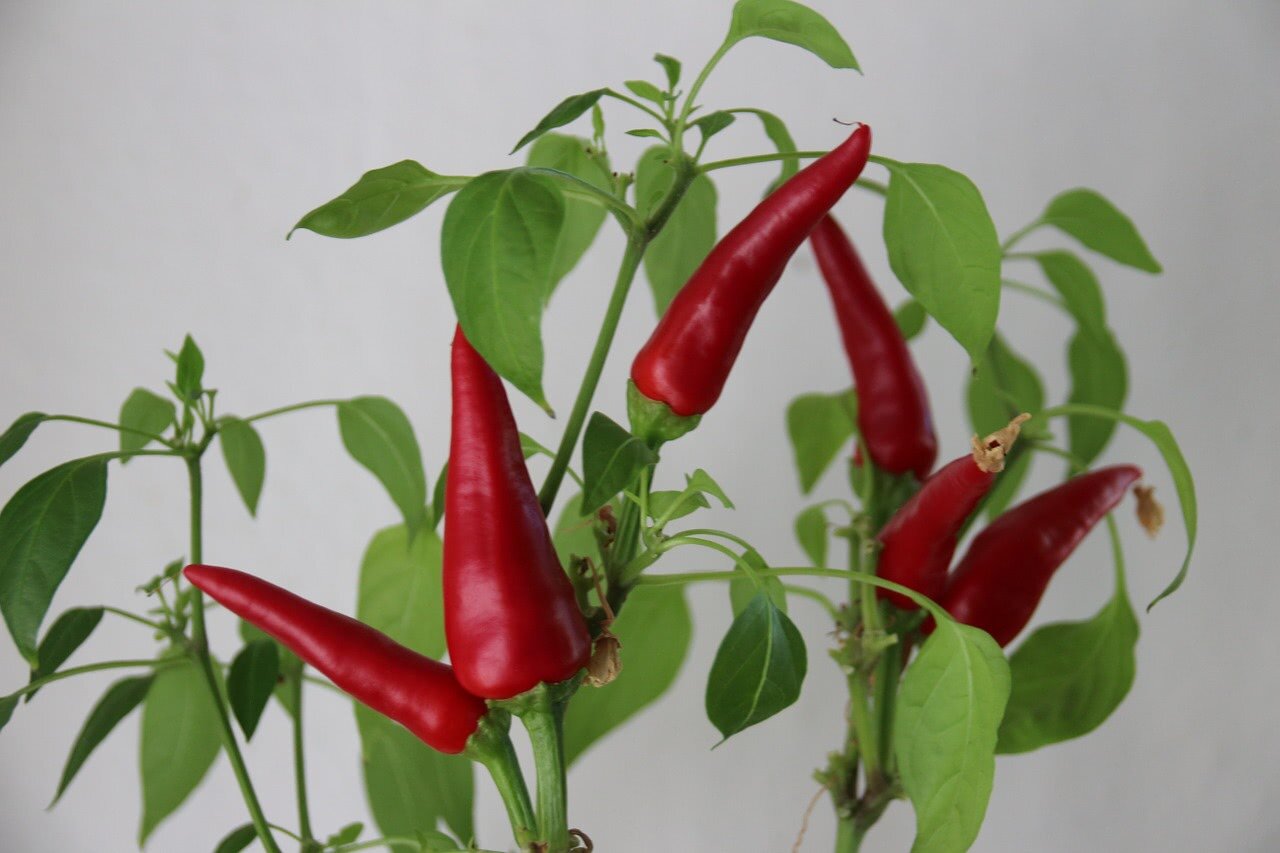
Have you ever craved the satisfaction of plucking a ripe, fiery chili pepper from a plant you nurtured yourself, right in your own kitchen? The thought of enjoying fresh, homegrown heat, regardless of the season, is incredibly appealing. But can you actually grow chilies indoors? Absolutely!
The Allure of Indoor Chili Growing
Growing peppers indoors offers a unique opportunity to extend your growing season, experiment with different varieties, and enjoy fresh chilies year-round. Even if you lack a sprawling garden, apartment chili plants bring the joy of gardening to any space. Container gardening for chilies also offers greater control over the growing environment, allowing you to fine-tune conditions for optimal pepper production. This guide will walk you through everything you need to know to embark on your indoor chili growing journey, from seed to spicy harvest.
Choosing the Right Chili Variety
The first step in successfully growing peppers indoors is selecting the right varieties. Not all chilies are created equal when it comes to indoor cultivation. Consider these factors when making your choice: Size: Compact or dwarf varieties are generally better suited for indoor spaces. Look for chilies like Thai peppers, habaneros (though these can be trickier), or even ornamentals like the Nu Mex Twilight. Light Requirements: Some varieties are more tolerant of lower light conditions than others. Research each variety’s specific needs to ensure a good match for your indoor lighting setup. Heat Level: Consider your personal preferences. Whether you crave scorching heat or prefer a milder kick, there's an indoor chili plant for you. Days to Maturity: Pay attention to how long it takes a variety to produce fruit. Shorter maturity times mean you'll be enjoying your harvest sooner.
Setting Up Your Indoor Chili Garden
Before you even think about planting seeds, you need to create the ideal environment for your apartment chili plants. Here’s what you'll need: Containers: Choose pots that are at least 1-2 gallons in size. Good drainage is crucial, so make sure your containers have drainage holes. Fabric pots are a popular option as they promote healthy root growth. Growing Medium: Use a well-draining potting mix specifically formulated for container gardening. Avoid using garden soil, as it can become compacted and hinder drainage. Grow Lights: Sufficient light is vital for healthy growth and pepper production. While a sunny windowsillmightwork in some cases, supplemental grow lights are highly recommended, especially during winter months or in areas with limited natural light. LED grow lights are energy-efficient and effective for growing peppers indoors. Temperature & Humidity: Chilies thrive in temperatures between 65-80°F (18-27°C). Maintain a consistent temperature and moderate humidity levels (around 40-60%). You might need a humidifier, especially during dry winter months.
Planting Your Chili Seeds
You can start your chili seeds indoors 6-8 weeks before you plan to transplant them into their final containers. Here’s how:
1.Sowing Seeds: Sow the seeds about ¼ inch deep in seed-starting trays or small pots filled with seed-starting mix.
2.Warmth and Moisture: Keep the soil consistently moist and warm (around 75-85°F / 24-29°C) to encourage germination. A heat mat can be helpful.
3.Light: Once the seedlings emerge, provide them with plenty of light. Place them under grow lights or in a very sunny window.
4.Transplanting: Once the seedlings have developed a few sets of true leaves, they're ready to be transplanted into their final containers.
The Indoor Chili Care Routine: Nurturing Your Plants
Consistent care is key to a successful indoor chili gardening experience. Here's a breakdown of the essential elements: Watering: Water your chili plants when the top inch of soil feels dry to the touch. Avoid overwatering, as this can lead to root rot. Water deeply, allowing excess water to drain out of the bottom of the pot. Fertilizing: Feed your plants regularly with a balanced liquid fertilizer, following the instructions on the product label. During the flowering and fruiting stages, switch to a fertilizer higher in phosphorus and potassium. Lighting: Ensure your plants receive at least 6-8 hours of direct light per day. If you're using grow lights, position them about 6-12 inches above the plants. Pollination Indoors: Since there aren't any bees or wind indoors, you'll need to hand-pollinate your chili plants. Use a small paintbrush or cotton swab to transfer pollen from the stamen (male part) to the pistil (female part) of each flower. Gently shake the plants to help with pollen dispersal. Pruning: Prune your chili plants to encourage bushier growth and improve air circulation. Remove any yellowing or dead leaves. Pest Control: Regularly inspect your plants for pests like aphids, spider mites, and whiteflies. Treat any infestations promptly with insecticidal soap or neem oil.
Troubleshooting Common Indoor Chili Growing Problems
Even with the best care, you might encounter some challenges along the way. Here are some common issues and how to address them: Yellowing Leaves: This could be caused by overwatering, underwatering, nutrient deficiencies, or pest infestations. Check the soil moisture, adjust your watering schedule, and fertilize if needed. Lack of Flowers or Fruit: Insufficient light is often the culprit. Make sure your plants are getting enough light. Also, ensure they are being adequately pollinated. Dropping Flowers: This can be caused by temperature fluctuations, inconsistent watering, or a lack of nutrients. Maintain a stable environment and ensure your plants are receiving proper care. Stunted Growth: This could be due to poor soil, inadequate light, or pest infestations. Repot your plants with fresh potting mix, provide more light, and treat any pests.
Hydroponic Chili Growing: An Alternative Approach
For those looking for a more advanced option, consider hydroponic chili growing. This method involves growing plants without soil, using a nutrient-rich water solution. Hydroponics can offer faster growth rates and higher yields compared to traditional soil-based growing. There are various hydroponic systems you can choose from, such as deep water culture (DWC), nutrient film technique (NFT), and drip systems.
From Seed to Sauce: Harvesting and Using Your Homegrown Chilies
The most rewarding part of growing peppers indoors is harvesting your own chilies. The time it takes for your peppers to ripen will vary depending on the variety, but generally, you can expect to harvest them a few months after transplanting.
Harvesting: Harvest your chilies when they have reached their mature color and size. Use pruning shears or scissors to cut the peppers from the plant, being careful not to damage the stems. Using Your Harvest: The possibilities are endless! Use your homegrown chilies fresh in salsas, sauces, stir-fries, and other dishes. You can also dry them, freeze them, or pickle them for later use.
FAQs About Growing Chilies Indoors
How much light do indoor chili plants need?
Chili plants require a lot of light, ideally 6-8 hours of direct sunlight or 12-16 hours of artificial light from grow lights. Insufficient light is a common reason for poor growth and lack of fruit.
What are the easiest chili varieties to grow indoors?
Smaller, more compact varieties like Thai chilies, tabasco peppers, and some ornamental peppers are often easier to manage indoors. They tend to be more tolerant of indoor conditions and require less space.
How often should I water my indoor chili plants?
Water when the top inch of soil feels dry. Avoid overwatering, which can lead to root rot. The frequency will depend on the size of the pot, the type of potting mix, and the temperature and humidity levels in your home.
Ready to Spice Up Your Life?
Growing chilies indoors is a rewarding and accessible hobby for anyone with a little space and a desire for fresh, flavorful peppers. With the right setup, consistent care, and a little patience, you can enjoy a continuous supply of homegrown heat, right from your own home. Embrace the challenge, experiment with different varieties, and get ready to spice up your life with the fiery goodness of indoor chili gardening!

Post a Comment