
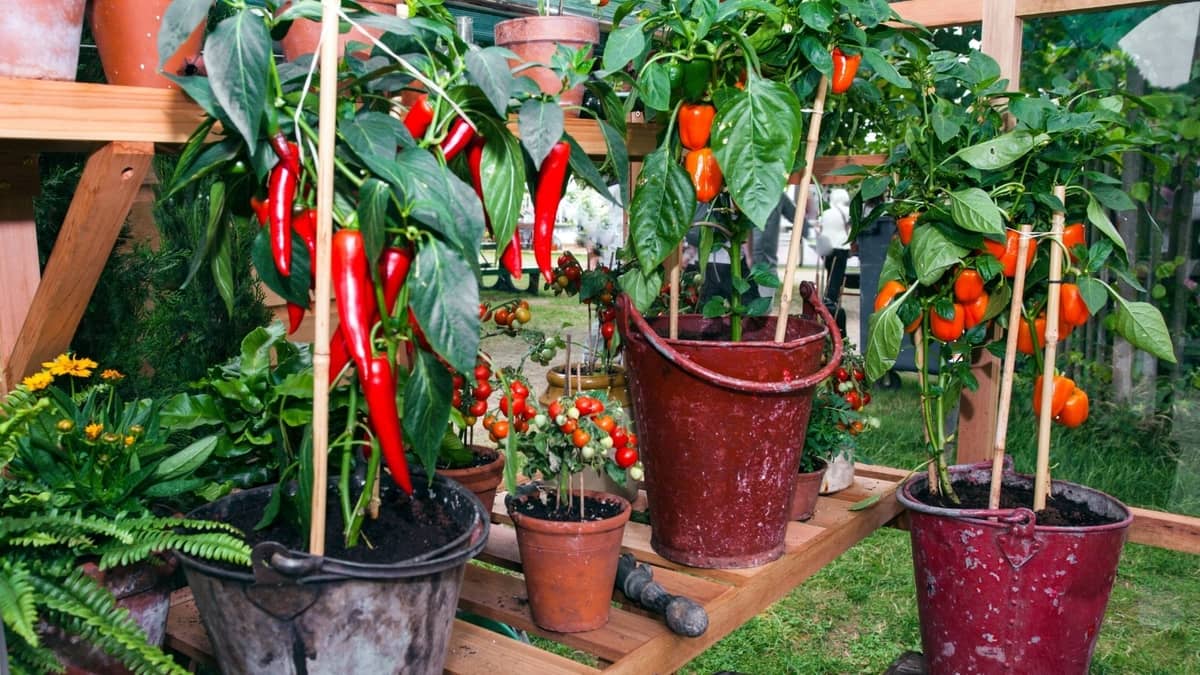
Is the thought of fresh, homegrown chili peppers dancing in your head, even though you only have a small apartment or limited outdoor space? You're not alone! Many gardeners dream of harvesting spicy peppers year-round, regardless of the season or climate.
Fortunately, growing peppers indoors is not only possible but also incredibly rewarding. Imagine adding a dash of homegrown heat to your winter dishes, all thanks to your thriving apartment chili plants. This guide will equip you with the knowledge and techniques to successfully cultivate a vibrant indoor chili garden, providing you with a continuous supply of delicious peppers. We’ll cover everything from choosing the right varieties and providing optimal lighting to tackling common challenges and enjoying a bountiful harvest.
Choosing the Right Chili Varieties for Indoor Growing
Not all chili plants are created equal, especially when it comes to thriving in an indoor environment. Compact varieties that don't require excessive space are generally the best choice for container gardening. Here are a few excellent options for growing peppers indoors: Thai Chilies: These prolific producers offer a spicy kick and stay relatively small, making them ideal for pots. Tabasco Peppers: Famous for their use in Tabasco sauce, these plants are compact and produce a steady supply of fiery peppers. Poblano Peppers: While larger than some other options, Poblano plants can still be successfully grown in containers, providing mild heat and delicious flavor. Serrano Peppers: Another popular choice, Serrano peppers offer a good balance of heat and size for indoor cultivation. Ornamental Peppers:These varieties, like the 'Black Pearl' or 'Purple Flash,' are not only beautiful but also produce edible (though often very hot) peppers. They add a splash of color to your indoor garden.
When selecting your seeds or seedlings, consider the available space, your desired heat level, and your personal preferences. Look for disease-resistant varieties to minimize potential problems down the line.
Setting Up Your Indoor Chili Garden: Light, Soil, and Containers
Creating the right environment is crucial for successful indoor chili gardening. Here's a breakdown of the key components: Lighting:Chili plants need plenty of light to thrive and produce peppers. A south-facing window is ideal, but supplemental grow lights are often necessary, especially during winter months or in homes with limited natural light.
Types of Grow Lights: LED grow lights are energy-efficient and produce minimal heat, making them a popular choice. Fluorescent grow lights (T5 or T8) are also effective and more affordable.
Light Duration: Aim for 14-16 hours of light per day. Use a timer to automate the process.
Light Distance: Position the grow lights 6-12 inches above the plants, adjusting as needed to prevent scorching. Soil: Use a well-draining potting mix specifically formulated for containers. Avoid garden soil, as it can become compacted and waterlogged in pots. A mix containing peat moss, perlite, and vermiculite provides good aeration and drainage. Containers: Choose pots that are at least 5 gallons in size to accommodate the root system of chili plants. Make sure the pots have drainage holes to prevent waterlogging. Terracotta pots are a good option, as they allow the soil to breathe. Fabric pots are also increasingly popular. Temperature and Humidity: Chili plants prefer warm temperatures between 70-80°F (21-27°C) during the day and slightly cooler temperatures at night. Maintain moderate humidity levels (around 40-60%) to prevent problems with pests and diseases. You can increase humidity by using a humidifier or placing the pots on trays filled with water and pebbles.
Indoor Chili Plant Care: Watering, Fertilizing, and Pollinating
Consistent care is essential for healthy and productive indoor chili plants. Here’s a detailed care routine: Watering: Water thoroughly when the top inch of soil feels dry to the touch. Avoid overwatering, as this can lead to root rot. Allow excess water to drain out of the drainage holes. Reduce watering during the winter months when the plants are not actively growing. Fertilizing: Chili plants are heavy feeders and require regular fertilization. Use a balanced liquid fertilizer (e.g., 10-10-10) diluted to half strength every 2-3 weeks during the growing season (spring and summer). You can also use a slow-release fertilizer at planting time. Pollination: Indoor chili plants may need assistance with pollination, as there are no bees or other pollinators to do the job. You can hand-pollinate the flowers by gently shaking the plant or using a small paintbrush to transfer pollen from one flower to another. Another option is to use a small fan to circulate air around the plants, which can help to distribute pollen. Pruning: Pruning can help to encourage bushier growth and increase pepper production. Pinch off the growing tips of young plants to promote branching. Remove any dead or yellowing leaves. You can also prune back leggy plants to encourage new growth. Pest and Disease Control:Regularly inspect your plants for pests and diseases. Common pests include aphids, spider mites, and whiteflies. Control pests by handpicking them off the plants, using insecticidal soap, or neem oil. Prevent diseases by providing good air circulation and avoiding overwatering.
Seasonal Indoor Chili Growing: A Month-by-Month Guide
While indoor growing allows for year-round harvests, understanding seasonal variations is key to optimizing your success: Spring: Start seeds indoors 6-8 weeks before the last expected frost. Provide plenty of light and warmth to encourage germination. Transplant seedlings into larger pots once they have developed several sets of true leaves. Begin fertilizing regularly. Summer: Move plants outdoors to a sunny location if possible, gradually acclimating them to the outdoor environment. Continue watering and fertilizing regularly. Monitor for pests and diseases. Hand-pollinate flowers if necessary. Fall: Bring plants back indoors before the first frost. Reduce watering and fertilizing as the plants enter a period of slower growth. Continue to provide adequate light. Winter: Provide supplemental grow lights to compensate for shorter days. Water sparingly and avoid fertilizing. Consider pruning back plants to encourage new growth in the spring.
Troubleshooting Common Problems with Indoor Chili Plants
Even with the best care, you may encounter some challenges when growing peppers indoors. Here are some common problems and how to address them: Yellowing Leaves: Can be caused by overwatering, underwatering, nutrient deficiencies, or pest infestations. Adjust watering practices, fertilize properly, and inspect for pests. Blossom Drop: Occurs when the plant fails to set fruit. Can be caused by temperature fluctuations, insufficient light, lack of pollination, or stress. Ensure stable temperatures, provide adequate light, hand-pollinate flowers, and avoid overwatering or underwatering. Leggy Growth: Caused by insufficient light. Provide more light or move the plant to a brighter location. Pests: Control pests by handpicking them off the plants, using insecticidal soap, or neem oil. Root Rot:Caused by overwatering. Allow the soil to dry out between waterings and ensure good drainage.
Harvesting and Enjoying Your Homegrown Chilies
Harvest your chilies when they reach their mature color, which depends on the variety. Some peppers turn red, while others turn yellow, orange, or even purple. Gently twist the peppers off the plant or use scissors to cut them off.
You can use your homegrown chilies fresh, dried, pickled, or frozen. Add them to your favorite dishes, make your own hot sauce, or share them with friends and family.
FAQ: Growing Peppers Indoors
How often should I water my indoor chili plants?
Water when the top inch of soil feels dry. This might be every few days, but it depends on your environment. Avoid letting the pot sit in standing water. Overwatering is a common problem with container gardening chilies!
Do I really need grow lights for peppers grown indoors?
While a sunny window helps, grow lights are highly recommended, especially during winter. They ensure your plants get enough light to thrive and produce peppers. Without sufficient light, your apartment chili growing efforts may be disappointing.
How can I increase pepper production on my indoor plants?
Ensure proper lighting, consistent watering and fertilization, and hand-pollination if needed. Pruning can also encourage bushier growth and more peppers.
Growing peppers indoors is a rewarding and enjoyable experience. With the right care and attention, you can enjoy a continuous supply of fresh, flavorful chilies year-round. So, embrace your inner gardener, experiment with different varieties, and create your own thriving indoor chili garden. Enjoy the spice!

Post a Comment