
Are you dreaming of fiery flavors straight from your windowsill, but unsure where to begin with growing peppers indoors? One of the most crucial steps, often overlooked, is choosing the appropriate vessel for your chili plants to thrive. Starting with the right size pot is key to a bountiful harvest.
Growing chilies indoors is a rewarding experience, bringing vibrant greenery and spicy goodness right into your home. Whether you're an apartment dweller with limited space or a seasoned gardener looking to extend the growing season, successfully cultivating chili plants indoors requires understanding their specific needs. From lighting and watering to pollination and, crucially, selecting the correct pot, each factor plays a vital role in your plants' health and productivity. This guide will walk you through selecting the perfect pot size for your indoor chili gardening adventure, ensuring your plants have the best possible start.
Choosing the Right Pot Size: A Foundation for Success
The size of the pot directly impacts root development, nutrient uptake, and overall plant health. Too small, and your chili plant will become root-bound, hindering growth and fruit production. Too large, and you risk overwatering, leading to root rot and other problems.
Here's a step-by-step guide to selecting the ideal pot size for your indoor chili plants:
1.Consider the Chili Variety: Different chili varieties have different growth habits and root systems. Compact varieties like Thai chilies or ornamental peppers may do well in smaller pots, while larger varieties like jalapenos or bell peppers will require more space. Research the mature size of your chosen chili variety to estimate its root ball size.
2.Starting Seeds or Transplants: When starting from seed, begin with small starter pots or seedling trays. These small containers provide adequate space for initial root development without overwhelming the young seedlings. Once the seedlings have developed a few sets of true leaves (the leaves that appear after the initial seed leaves), it's time to transplant them into larger pots.
3.Pot Size for Mature Plants: For most chili varieties, a pot that is at least1-2 gallons(approximately 8-10 inches in diameter) is a good starting point. For larger varieties, consider pots that are3-5 gallons(10-12 inches in diameter) or even larger. Remember, it's always better to err on the side of a slightly larger pot than a pot that is too small. As a general rule, the mature plant should have ample space for its roots to expand without becoming overly crowded.
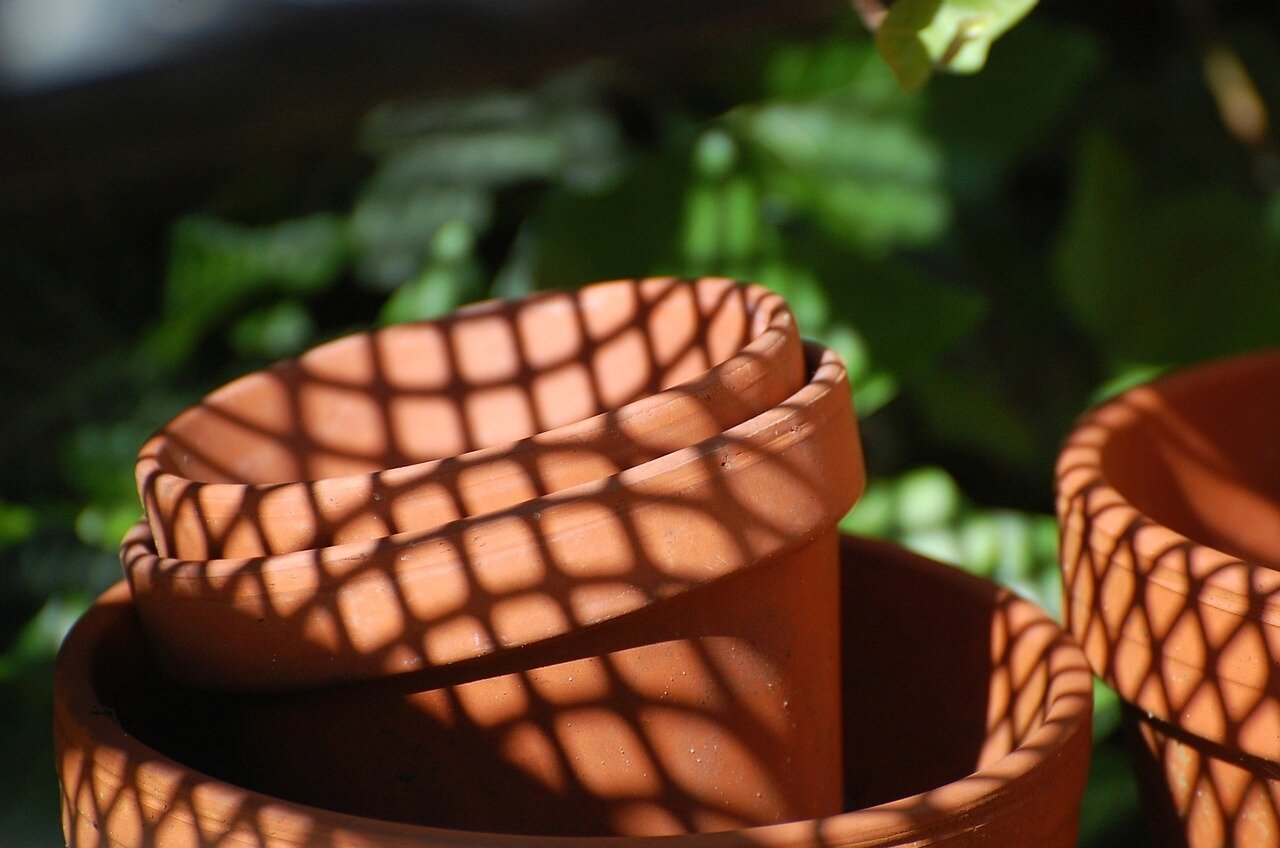
4.Pot Material Matters: While pot size is crucial, the material of the pot also plays a role. Terracotta pots are porous and allow for better air circulation, which can help prevent overwatering. Plastic pots are less expensive and retain moisture better, but they can also lead to waterlogged soil if you're not careful. Fabric pots, also known as grow bags, are an excellent option for indoor chili plants as they provide excellent drainage and aeration, promoting healthy root growth.
5.Drainage is Key: Regardless of the pot size or material, ensure that the pot has adequate drainage holes. Poor drainage can lead to waterlogged soil, which can suffocate the roots and cause root rot.
Essential Indoor Care for Thriving Chili Plants
Beyond selecting the right pot size, successful apartment chili growing requires understanding and implementing proper care routines.
Lighting: Mimicking the Sun
Chili plants need plenty of sunlight to thrive. Aim for at least 6-8 hours of direct sunlight per day. If you don't have a sunny window, consider using grow lights.
Types of Grow Lights: LED grow lights are energy-efficient and provide the full spectrum of light that chili plants need. Fluorescent grow lights are another option, but they are less efficient than LEDs. Placement: Position the grow lights a few inches above the plants, adjusting the height as the plants grow. Timing:Use a timer to ensure that the plants receive consistent light each day. A 14-16 hour light cycle followed by 8-10 hours of darkness is ideal for most chili varieties.
Watering: Finding the Balance
Overwatering is a common problem with indoor plants. Water your chili plants only when the top inch of soil feels dry to the touch.
Watering Technique: Water thoroughly, allowing excess water to drain out of the bottom of the pot. Avoid getting water on the leaves, as this can promote fungal diseases. Water Quality: Use filtered or dechlorinated water, as tap water can contain chemicals that are harmful to plants. Humidity:Chili plants prefer moderate humidity. If the air in your home is dry, consider using a humidifier or placing the plants on a tray filled with pebbles and water.
Fertilizing: Providing Essential Nutrients
Chili plants are heavy feeders and require regular fertilization to produce a bountiful harvest.
Fertilizer Type: Use a balanced fertilizer with equal amounts of nitrogen, phosphorus, and potassium (e.g., 10-10-10). You can also use a fertilizer specifically formulated for tomatoes and peppers. Fertilizing Schedule: Fertilize your chili plants every 2-3 weeks during the growing season (spring and summer). Reduce or stop fertilizing during the dormant season (fall and winter). Organic Options:Consider using organic fertilizers like compost tea, fish emulsion, or worm castings.
Pollination: Encouraging Fruit Set
Indoor chili plants may need help with pollination, as there are no bees or other pollinators to do the job.
Hand Pollination: Use a small brush or cotton swab to transfer pollen from one flower to another. You can also gently shake the plants to release pollen. Air Circulation: Good air circulation can help with pollination. Use a fan to gently circulate the air around the plants.
Troubleshooting Common Issues
Even with the best care, you may encounter some common problems when growing peppers indoors.
Aphids: These small, sap-sucking insects can weaken plants and spread diseases. Treat aphids with insecticidal soap or neem oil. Spider Mites: These tiny pests create webs on the leaves and can cause yellowing and leaf drop. Treat spider mites with insecticidal soap or neem oil. Fungal Diseases: Overwatering and poor air circulation can lead to fungal diseases like powdery mildew and leaf spot. Prevent fungal diseases by watering properly and providing good air circulation. Treat fungal diseases with a fungicide. Blossom Drop: This occurs when the plant drops its flowers before they can develop into fruit. Blossom drop can be caused by temperature stress, nutrient deficiencies, or poor pollination. Ensure that your plants are receiving adequate light, water, and nutrients, and consider hand-pollinating the flowers.
Expanding Your Indoor Chili Growing Knowledge
Growing peppers indoors also benefits from a bit of extra research and refinement.
Hydroponic Chili Growing
For the adventurous grower, hydroponics offers an alternative to traditional soil-based gardening. Hydroponic systems deliver nutrients directly to the roots, promoting faster growth and higher yields. Consider exploring Kratky or DWC (Deep Water Culture) methods for growing chili plants indoors hydroponically.
Container Gardening Chilies: Beyond the Basics
Experiment with different container types and growing mediums. Self-watering pots can simplify watering routines, while elevated planters can optimize sunlight exposure for apartment chili plants. Consider companion planting herbs like basil or oregano in the same container to deter pests and enhance flavor.
Frequently Asked Questions
Here are some commonly asked questions about choosing the right pot size for indoor chili plants:
What size pot should I use for starting chili pepper seeds?
Start chili pepper seeds in small seed trays or individual pots that are about 2-3 inches in diameter. This gives the seedlings enough room to develop a healthy root system before transplanting.
Can I transplant my chili plant directly into a large pot?
It's generally best to transplant your chili plant into progressively larger pots as it grows. Starting with a pot that's too large can lead to overwatering and root rot.
How often should I repot my indoor chili plant?
You should repot your chili plant when it becomes root-bound, which is when the roots begin to circle the inside of the pot. This typically happens every 6-12 months. Move up to a pot that is 1-2 inches larger in diameter each time you repot.
Growing chili plants indoors is a fulfilling journey that brings the heat of homegrown peppers right to your kitchen. By understanding the importance of choosing the right pot size, providing proper lighting, watering, and fertilization, and troubleshooting common issues, you can create a thriving indoor chili garden. So, grab your seeds, select the perfect pot, and get ready to enjoy the flavor and satisfaction of growing your own chilies indoors!

Post a Comment