
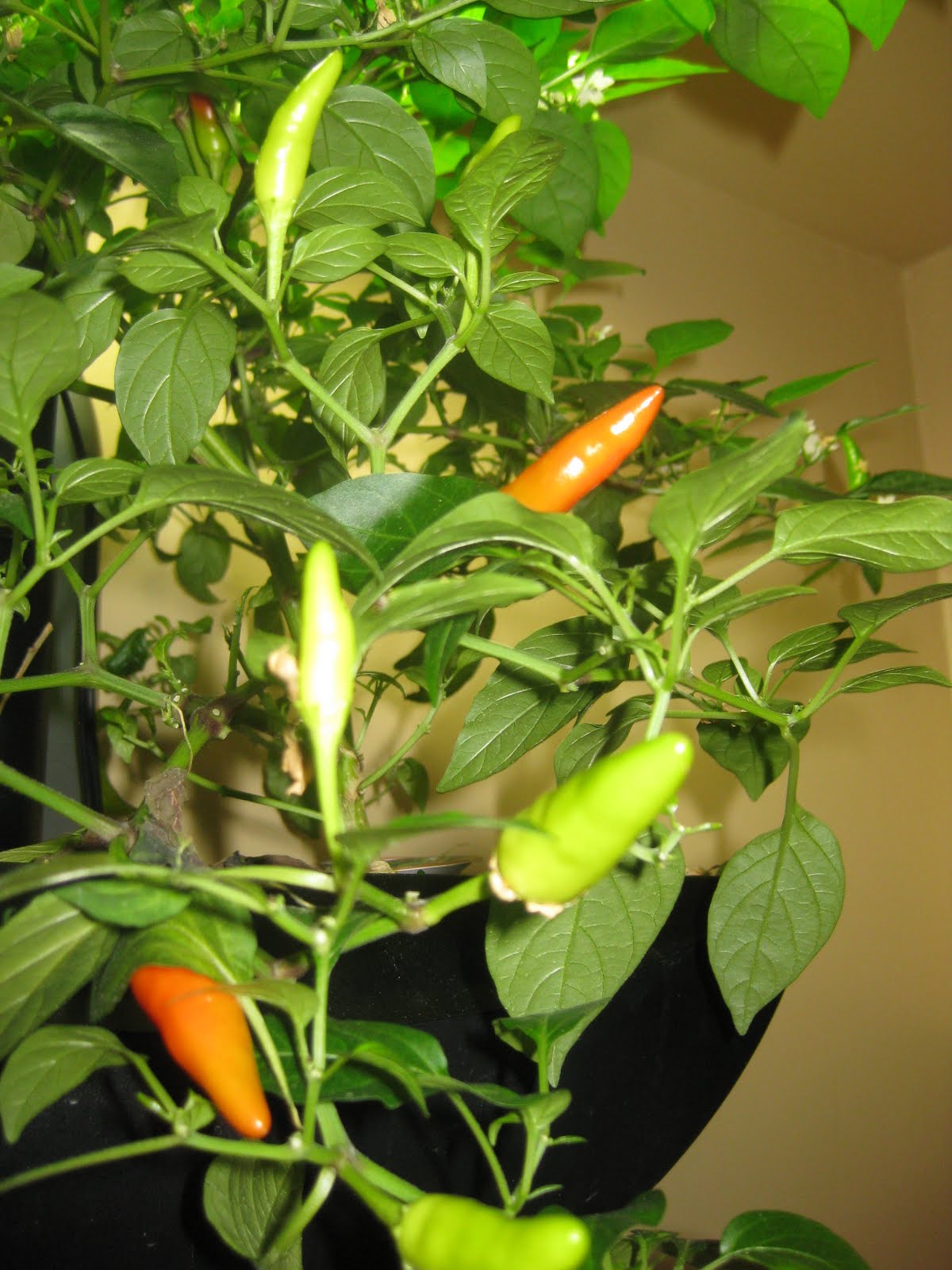
Many dream of fresh, fiery chilies right at their fingertips, but is it truly possible to cultivate a thriving chili garden indoors, especially when you're juggling a busy life? Absolutely! Bringing the heat indoors with your own chili plants is achievable, but it does require a consistent and thoughtful approach.
Growing peppers indoors is a rewarding endeavor. It allows you to enjoy fresh chilies year-round, regardless of your climate. Plus, it's incredibly satisfying to nurture a plant from seed to harvest, adding a touch of green to your living space. However, unlike outdoor gardens that benefit from natural sunlight and rainfall, indoor chili plants rely entirely on you for their needs. That's where establishing a solid daily care routine comes in. This guide will walk you through everything you need to know to create the perfect environment for your indoor chili garden to flourish.
Setting Up Your Indoor Chili Oasis
Before diving into the daily grind, let's ensure your chili plants have the best possible foundation. This involves choosing the right location, containers, and potting mix.
Location is Key: South-facing windows are ideal, providing the most natural light. However, if you lack sufficient sunlight, invest in grow lights. More on that later! Container Considerations: Opt for containers that are at least 5 gallons in size. Ensure they have drainage holes to prevent waterlogging. Fabric pots are an excellent choice as they promote healthy root aeration. Potting Mix Perfection:Avoid using garden soil, which is too dense for container gardening. Instead, choose a well-draining potting mix specifically formulated for vegetables or containers. A mix of coco coir, perlite, and compost works wonders.
Your Morning Chili Check-Up
Just like starting your day with a healthy habit, begin your mornings with a quick assessment of your chili plants.
1.Light Exposure: Observe how much natural light your plants are receiving. Are they positioned correctly, or do you need to adjust their placement? If using grow lights, check that they are functioning correctly and the timer is set appropriately.
2.Leaf Inspection: Take a close look at the leaves. Are they vibrant green and perky, or are they showing signs of stress like yellowing, wilting, or spots? Early detection of problems is crucial.
3.Moisture Level: Gently press your finger into the top inch of the soil. Is it dry to the touch? This will help you determine if watering is needed.
The Midday Light Boost (If Necessary)
If you're relying on natural light, midday might be the time to supplement with grow lights, especially during shorter days or cloudy weather.
Grow Light Strategy: Position your grow lights 6-12 inches above the plants. LED grow lights are energy-efficient and produce minimal heat, making them ideal for indoor use. A timer can automate the process, ensuring consistent light exposure (typically 14-16 hours per day). Rotation is Key: If your plants are only receiving light from one direction (like a window), rotate them a quarter turn every few days to ensure even growth.
Watering Wisely: An Afternoon Ritual
Watering is a critical aspect of indoor chili care. Overwatering is a common mistake, so err on the side of caution.
1.The Finger Test: As mentioned earlier, use the finger test to assess soil moisture.
2.Watering Technique: When watering, do so thoroughly, ensuring the water reaches the bottom of the container. Allow excess water to drain out of the drainage holes.
3.Water Quality: Use room-temperature water. Avoid using softened water, as it contains high levels of salt that can harm your plants. Rainwater or dechlorinated tap water is best.
4.Frequency: Watering frequency depends on several factors, including the size of the container, the type of potting mix, and the environmental conditions. Generally, you'll need to water every 2-3 days.
Evening Examination and Air Circulation
Before you wind down for the night, take a final look at your chili plants and ensure proper air circulation.
1.Pest Patrol: Check for any signs of pests, such as aphids, spider mites, or whiteflies. Addressing pest problems early is essential.
2.Airflow: Indoor environments can be stagnant, which can promote fungal diseases. Ensure adequate air circulation by using a small fan or opening a window for a short period each day.
3.Humidity Check: Chili plants prefer moderate humidity. If your indoor air is dry, consider using a humidifier or placing a tray of water near your plants.
Weekly Deep Dive: Nutrition and Pruning
While the above steps form your daily routine, weekly tasks are equally important for a thriving indoor chili garden.
Fertilizing Focus: Chili plants are heavy feeders. Fertilize them weekly with a balanced liquid fertilizer diluted to half strength. During the flowering and fruiting stages, switch to a fertilizer higher in phosphorus and potassium. Pruning Power: Prune your plants to encourage bushier growth and better air circulation. Remove any dead or yellowing leaves. You can also pinch off the growing tips to promote branching. Support System:As your chili plants grow and produce fruit, they may need support. Use stakes or cages to prevent them from toppling over.
Pollination Indoors: Helping Nature Along
In the absence of bees and other pollinators, you'll need to hand-pollinate your chili plants.
1.The Pollination Process: Use a small, soft brush or a cotton swab to gently transfer pollen from the stamen (the male part of the flower) to the pistil (the female part of the flower).
2.Timing is Everything: The best time to pollinate is in the morning when the pollen is dry and easily transferable.
3.Gentle Breeze: Alternatively, you can gently shake the plant or use a fan to create a breeze, which can help distribute the pollen.
Troubleshooting Common Issues
Even with the best care routine, you may encounter some challenges. Here are some common problems and their solutions: Yellowing Leaves: This can be caused by overwatering, underwatering, nutrient deficiencies, or pests. Adjust your watering schedule, fertilize appropriately, and inspect for pests. Wilting: Wilting can also be caused by overwatering or underwatering. Check the soil moisture and adjust accordingly. It can also be a sign of root rot. Lack of Fruit Set: This can be due to insufficient light, inadequate pollination, or extreme temperatures. Provide adequate light, hand-pollinate your plants, and maintain a consistent temperature. Pest Infestations: Common pests include aphids, spider mites, and whiteflies. Treat infestations with insecticidal soap or neem oil.
What About Hydroponic Chili Growing?
For the adventurous gardener, hydroponic chili growing offers a soilless alternative. Nutrients are delivered directly to the roots via a water-based solution. This method can lead to faster growth and higher yields but requires more monitoring and specialized equipment. Consider a Kratky setup for a passive, low-maintenance approach or a deep water culture (DWC) system for faster growth.
FAQs About Indoor Chili Gardening
What are the best chili varieties for growing indoors?
Smaller chili varieties like Thai chilies, habaneros (if you dare!), jalapenos, and bell peppers tend to thrive in indoor environments due to their manageable size and relatively quick maturation. Look for compact or dwarf varieties specifically bred for container gardening.
How do I know if my chili plants are getting enough light indoors?
Signs of insufficient light include leggy growth (long, spindly stems), pale green leaves, and a lack of flowering or fruiting. If you notice these signs, supplement with grow lights or move your plants to a sunnier location. Leaves should be vibrant and growth compact.
What's the ideal temperature range for growing peppers indoors?
Chili plants thrive in temperatures between 70-80°F (21-27°C) during the day and 60-70°F (15-21°C) at night. Avoid exposing your plants to extreme temperature fluctuations.
Cultivating an indoor chili garden is a commitment, but the rewards – fresh, flavorful chilies at your fingertips – are well worth the effort. By establishing a consistent and thoughtful care routine, you can create a thriving indoor oasis that brings the heat to your kitchen year-round. So, grab your seeds, potting mix, and grow lights, and get ready to embark on a spicy adventure! Happy growing!

Post a Comment