
Is your indoor chili plant looking a little under the weather? Perhaps the vibrant green leaves you were so proud of are starting to fade, turning a worrying shade of yellow? Don't panic! This is a common issue for those of us who enjoy growing peppers indoors, and often it's easily fixed with a little detective work and some adjustments to your care routine.
Growing chilies inside your home is an incredibly rewarding experience. It allows you to enjoy fresh, spicy peppers year-round, regardless of the weather outside. Plus, these plants add a touch of vibrant greenery to your living space. However, cultivating these fiery fruits indoors presents unique challenges compared to growing them in a traditional garden. Understanding the specific needs of your chili plants – light, water, nutrients, and temperature – is key to their success. One of the most common signs that something isn’t quite right is a change in leaf color, particularly yellowing. Let's dive into the potential causes and, more importantly, how to get your chili plants back to their healthy, green glory.
Identifying the Culprit: Why Are Your Chili Leaves Turning Yellow?
Yellowing leaves, also known as chlorosis, indicate a disruption in the plant's ability to produce chlorophyll, the pigment responsible for its green color and vital for photosynthesis. Pinpointing the exact cause is crucial for effective treatment. Here are some of the most common culprits: Watering Issues:Both overwateringandunderwatering can lead to yellow leaves.
Overwatering: Soggy soil suffocates the roots, preventing them from absorbing essential nutrients. The leaves may initially turn yellow and droop.
Underwatering: Insufficient water deprives the plant of the moisture it needs for photosynthesis and nutrient transport. The leaves will often become dry and brittle before turning yellow.
Nutrient Deficiencies: Chili plants, especially when grown in containers, rely on us to provide them with the necessary nutrients. Deficiencies in nitrogen, magnesium, or iron are common causes of leaf yellowing.
Lighting Problems: Chili plants need plenty of light, especially when grown indoors. Insufficient light can hinder chlorophyll production, leading to yellow leaves.
Temperature Stress: Extreme temperature fluctuations can stress your plants and cause leaf discoloration.
Pests and Diseases: While less common, pests like aphids or spider mites, and fungal diseases can also cause leaves to yellow.
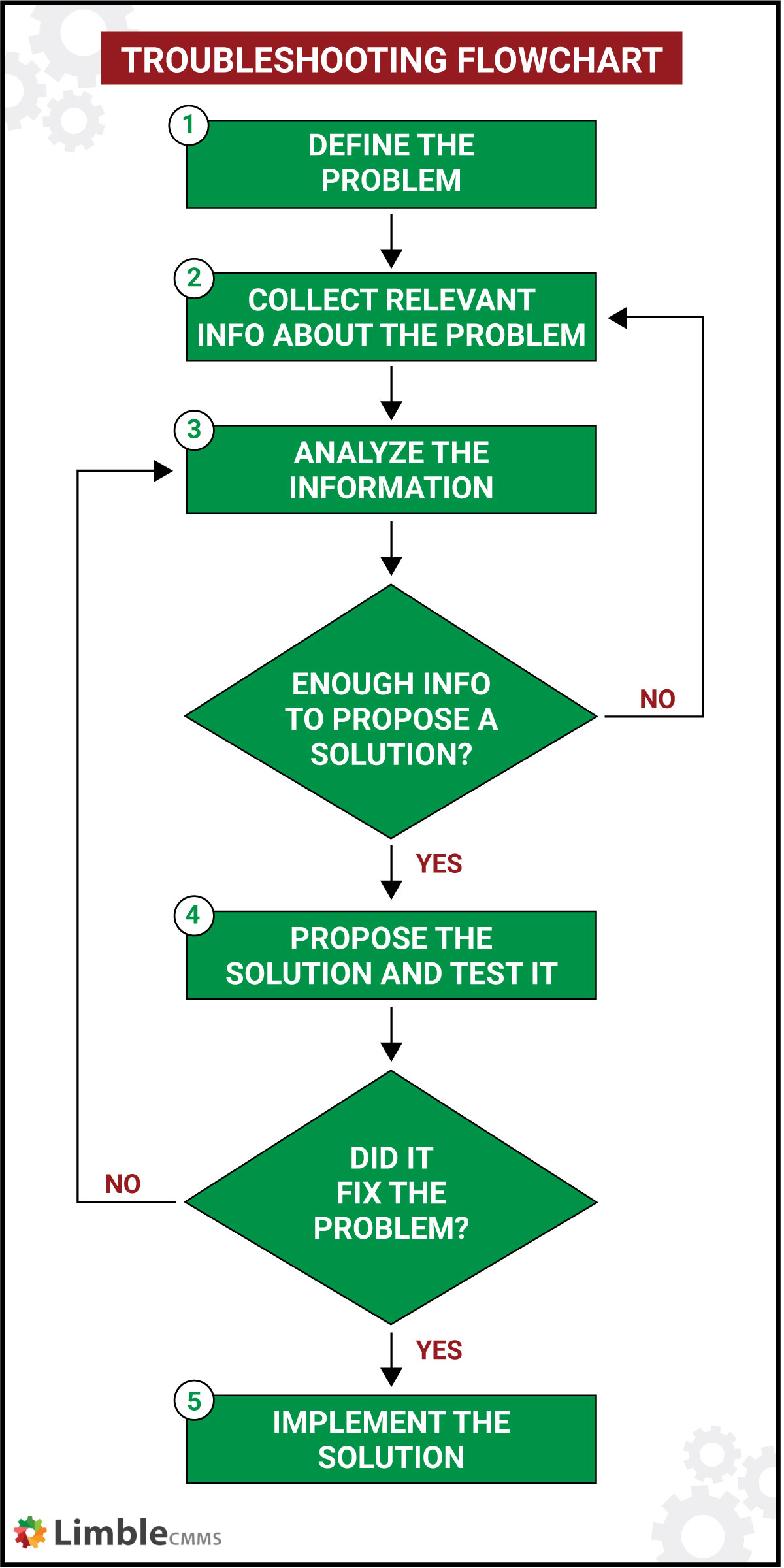
Diagnosing the Problem: A Step-by-Step Guide
Before you start changing your entire routine, let's take a systematic approach to diagnose the problem:
1.Check the Soil Moisture: Stick your finger about an inch into the soil. Is it bone dry, overly soggy, or just right? Adjust your watering schedule accordingly. Remember that container gardening for chilies requires more frequent watering than outdoor gardening.
2.Examine the Leaf Pattern: The pattern of yellowing can provide clues about the underlying cause: Yellowing starts at the bottom leaves and progresses upwards:This often indicates a nitrogen deficiency.
Yellowing between the veins of the leaves, while the veins remain green: This could point to a magnesium or iron deficiency.
Overall yellowing of the entire plant: Could be due to overwatering, underwatering, or insufficient light.
3.Inspect for Pests: Carefully examine the leaves, stems, and undersides of the leaves for signs of pests. Look for small insects, webbing, or sticky residue.
4.Consider Environmental Factors: Have there been any recent changes in temperature or humidity? Is your plant located near a draft or a heat source?
5.Review Your Feeding Schedule: Are you providing your plants with a balanced fertilizer formulated for fruiting plants? Are you fertilizing frequently enough?
Solutions: Getting Your Chili Plants Back on Track
Once you've identified the likely cause, here's how to address the problem and restore your plant's health:
Addressing Watering Issues
If Overwatering is the Culprit:
1. Allow the soil to dry out completely before watering again.
2. Ensure your pot has adequate drainage holes.
3. Consider repotting your chili plant into fresh, well-draining soil.
4. Avoid using saucers that trap excess water.
If Underwatering is the Culprit:
1. Water thoroughly until water drains from the bottom of the pot.
2. Check the soil moisture regularly and water when the top inch of soil feels dry.
3. Consider using a self-watering pot or adding water-retentive polymers to the soil.
Correcting Nutrient Deficiencies
Nitrogen Deficiency: Use a fertilizer that is higher in nitrogen or amend the soil with compost or aged manure. Magnesium Deficiency: Epsom salts can provide a quick boost of magnesium. Dissolve 1 teaspoon of Epsom salts in a gallon of water and use it to water your plant. Iron Deficiency:Use a chelated iron supplement or amend the soil with iron-rich compost.
Tips for feeding your indoor chili plants:
Apply liquid feed weekly or bi-weekly during the growing season.
Reduce feeding during the dormant season.
Always dilute fertilizer according to the manufacturer's instructions.
Optimizing Lighting for Indoor Chili Growing
Natural Light: Place your chili plant in the sunniest location in your home, ideally a south-facing window. Grow Lights: If you don't have enough natural light, supplement with grow lights. LED grow lights are energy-efficient and provide the full spectrum of light that chili plants need. Aim for 14-16 hours of light per day. Distance:Position grow lights 6-12 inches above the plant canopy.
Managing Temperature and Humidity
Temperature: Maintain a consistent temperature between 65-80°F (18-27°C). Humidity: Chili plants prefer moderate humidity (40-60%). Increase humidity by grouping plants together, using a humidifier, or placing a tray of water near your plants.
Controlling Pests and Diseases
Pests: Treat infestations with insecticidal soap, neem oil, or horticultural oil. Diseases: Improve air circulation, avoid overhead watering, and treat with a fungicide if necessary.
Essential Indoor Chili Care Routine
To keep your chili plants thriving and prevent yellow leaves in the first place, follow these essential care tips:
1.Watering: Water deeply when the top inch of soil feels dry.
2.Fertilizing: Feed regularly with a balanced fertilizer formulated for fruiting plants.
3.Lighting: Provide at least 6-8 hours of direct sunlight or 14-16 hours of grow light per day.
4.Temperature: Maintain a consistent temperature between 65-80°F (18-27°C).
5.Humidity: Provide moderate humidity (40-60%).
6.Pruning: Prune your chili plants regularly to encourage bushier growth and better fruit production.
7.Pollination: Indoor chili plants may need assistance with pollination. Gently shake the plant or use a small brush to transfer pollen from one flower to another. Consider growing self-pollinating varieties!
FAQ: Can I use tap water for my indoor chili plants?
It depends on your tap water. If your tap water is heavily chlorinated or contains high levels of minerals, it's best to use filtered water or rainwater. Allowing tap water to sit out for 24 hours can help reduce chlorine levels.
FAQ: How often should I repot my indoor chili plants?
Repot your chili plants every 1-2 years, or when they become root-bound. Choose a pot that is slightly larger than the previous one.
FAQ: What are the best chili varieties for indoor growing?
Some of the best chili varieties for indoor growing include Thai chilies, habaneros, and jalapeños. Dwarf varieties are particularly well-suited for container gardening.
Growing chilies indoors is a journey, and like any journey, there will be bumps along the road. Seeing those leaves turn yellow can be disheartening, but remember that you're not alone, and with a little patience and attention, you can bring your plants back to their vibrant best. Embrace the learning process, experiment with different techniques, and most importantly, enjoy the satisfaction of harvesting your own homegrown chilies right in your home! Happy growing!

Post a Comment