
Is your prized indoor chili plant suddenly looking a little… droopy? Seeing those vibrant green leaves start to wilt can be alarming, especially when you've put so much care into your indoor chili gardening efforts. But don't despair! Wilting is a common issue with container gardening, and often easily remedied with a little detective work and the right approach.
Growing peppers indoors offers incredible rewards. Fresh chilies at your fingertips, adding spice and vibrancy to your cooking, and the sheer joy of nurturing a plant from seed to fruit. However, the controlled environment of our homes presents unique challenges. Unlike outdoor gardens, where plants benefit from natural rainfall, wind, and a diverse ecosystem, apartment chili plants rely entirely on us for their needs. Understanding these needs – proper watering, adequate lighting, and suitable growing conditions – is key to preventing and addressing common problems like wilting. This guide will walk you through the most frequent causes of wilting in indoor chili plants and provide practical solutions to get your plants back on track and thriving.
Understanding Why Your Indoor Chili Plant is Wilting
Wilting is essentially a sign that your plant isn't getting enough water to its leaves to maintain their rigidity. This can be due to a number of factors, some quite straightforward, others a little more complex. Let's break down the most common culprits: Underwatering: This is often the first suspect. If the soil feels dry to the touch, even an inch or two below the surface, underwatering is likely the cause. Overwatering: Surprisingly, too much water can also lead to wilting. Waterlogged soil suffocates the roots, preventing them from absorbing the water the plant needs. Inadequate Light: Chili plants are sun-loving. Insufficient light can weaken the plant, making it more susceptible to stress and causing wilting. Nutrient Deficiencies: A lack of essential nutrients can hinder the plant's ability to function properly, leading to various issues, including wilting. Temperature Stress: Extreme temperatures, whether too hot or too cold, can shock your plant and cause it to wilt. Pest Infestations: Sap-sucking pests can drain the plant's resources, leading to wilting and other symptoms. Root Problems:Root rot or other root diseases can damage the root system, preventing it from absorbing water and nutrients.
Diagnosing the Cause of Wilting: A Step-by-Step Approach
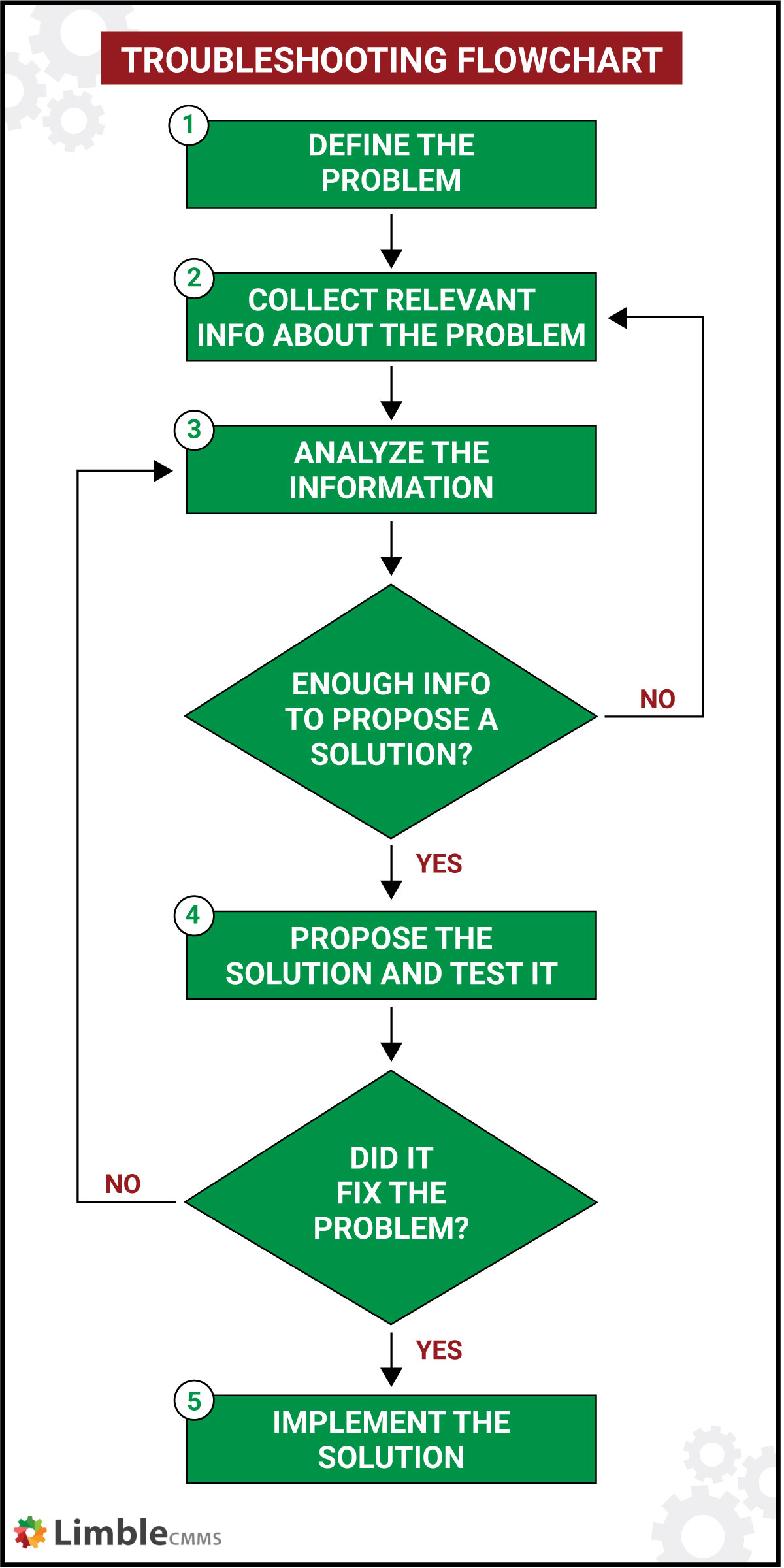
Before you start treating your wilting chili plant, it's crucial to identify the underlying cause. Here's a step-by-step approach to help you diagnose the problem:
1.Check the Soil Moisture: The simplest and often most telling test. Stick your finger into the soil about an inch or two deep.
If the soil is dry, underwatering is likely the issue.
If the soil is soggy, overwatering is the likely culprit.
2.Examine the Leaves: Observe the leaves closely.
Are they uniformly wilted, or are there other symptoms like yellowing, browning, or spots?
Are the leaves crisp and dry, or soft and limp?
3.Inspect for Pests: Use a magnifying glass to examine the leaves, stems, and undersides of the leaves for signs of pests like aphids, spider mites, or whiteflies.
4.Assess the Light Exposure: Consider how much light your plant is receiving. Is it in a sunny location, or is it in a shady corner?
5.Evaluate the Temperature: Is the plant exposed to drafts, direct sunlight that overheats the pot, or sudden temperature fluctuations?
6.Check the Drainage: Ensure that the pot has adequate drainage holes and that the soil isn't compacted.
7.Consider Fertilization: When was the last time you fertilized your plant? Nutrient deficiencies can sometimes cause wilting.
Addressing the Common Causes: Actionable Solutions
Once you've identified the cause of your chili plant's wilting, you can take steps to address the problem. Here's a breakdown of solutions for each of the common causes:
1. Correcting Underwatering
Increase Watering Frequency: Water your plant more frequently, ensuring that the soil is consistently moist but not soggy. Water Thoroughly: When you water, water deeply, allowing the water to drain out of the bottom of the pot. This ensures that the entire root ball is moistened. Bottom Watering: Consider bottom watering by placing the pot in a saucer of water and allowing the plant to absorb water through the drainage holes. Mulch: Add a layer of mulch to the surface of the soil to help retain moisture.
2. Remedying Overwatering
Stop Watering Immediately: Allow the soil to dry out completely before watering again. Improve Drainage: If the pot doesn't have adequate drainage holes, repot the plant into a pot with better drainage. Consider adding perlite or vermiculite to the soil mix to improve drainage. Remove Soggy Soil: Gently remove any soggy soil from around the roots. Treat Root Rot: If you suspect root rot, treat the plant with a fungicide specifically designed for root diseases.
3. Optimizing Light Exposure
Move to a Sunnier Location: Place your plant in a location that receives at least 6-8 hours of direct sunlight per day. A south-facing window is ideal. Use Grow Lights: If you don't have access to enough natural light, supplement with grow lights. LED grow lights are energy-efficient and provide the full spectrum of light that chili plants need. Aim for 14-16 hours of light per day. Clean Windows:Dust and grime on windows can reduce the amount of light that reaches your plants.
4. Resolving Nutrient Deficiencies
Fertilize Regularly: Feed your chili plant with a balanced fertilizer every 2-4 weeks during the growing season. Choose a fertilizer that is specifically formulated for vegetables or peppers. Check Soil p H: Ensure that the soil p H is within the optimal range for chili plants (6.0-7.0). You can test the soil p H with a soil testing kit. Consider a Foliar Feed:For a quick boost, consider a foliar feed by spraying the leaves with a diluted fertilizer solution.
5. Mitigating Temperature Stress
Maintain a Consistent Temperature: Avoid exposing your plant to extreme temperature fluctuations. Keep the temperature between 65-80°F (18-27°C) during the day and slightly cooler at night. Protect from Drafts: Keep your plant away from drafts from windows, doors, or air conditioners. Provide Adequate Ventilation:Ensure that the plant has adequate ventilation to prevent overheating.
6. Controlling Pest Infestations
Identify the Pest: Determine which type of pest is infesting your plant. Isolate the Plant: Isolate the infested plant from other plants to prevent the spread of pests. Treat with Insecticidal Soap or Neem Oil: Treat the plant with insecticidal soap or neem oil, following the instructions on the label. Handpick Pests: For larger pests, such as caterpillars or beetles, handpick them off the plant.
7. Managing Root Problems
Repot the Plant: Repot the plant into a clean pot with fresh, well-draining soil. Trim Damaged Roots: When repotting, carefully trim away any damaged or rotten roots. Treat with Fungicide: If you suspect root rot, treat the plant with a fungicide specifically designed for root diseases. Improve Drainage: Ensure that the pot has adequate drainage holes and that the soil isn't compacted.
Establishing a Routine for Healthy Indoor Chili Plants
Prevention is always better than cure. Establishing a consistent indoor care routine is essential for keeping your apartment chili plants healthy and thriving.
1.Watering Routine: Check the soil moisture every few days and water when the top inch or two of soil is dry.
2.Fertilizing Schedule: Fertilize every 2-4 weeks during the growing season.
3.Light Monitoring: Ensure that your plant is receiving adequate light. Supplement with grow lights if necessary.
4.Pest Patrol: Regularly inspect your plant for pests.
5.Temperature Control: Maintain a consistent temperature and protect your plant from drafts.
6.Pruning and Support: Prune your plant regularly to encourage bushier growth and provide support for heavy fruit.
7.Pollination Assistance: Indoor plants may need help with pollination. Use a small brush or shake the plant gently to transfer pollen.
Troubleshooting: What if Nothing Seems to Work?
Sometimes, despite your best efforts, your chili plant may continue to wilt. Here are a few additional things to consider: Soil Quality: Is your soil old and depleted? Consider repotting with fresh, high-quality potting mix. Pot Size: Is your plant root-bound? If the roots are circling the inside of the pot, it's time to repot into a larger container. Water Quality: Are you using tap water with high levels of chlorine or other chemicals? Consider using filtered water. Acclimation: Did you recently move your plant or make a significant change to its environment? Allow the plant time to adjust to its new surroundings.
Hydroponic Chili Growing: An Alternative
For those interested in a different approach, hydroponic chili growing can be an excellent option. Hydroponics eliminates soil altogether, delivering nutrients directly to the roots. This method can lead to faster growth and higher yields. However, hydroponics requires a more specialized setup and a greater understanding of nutrient solutions.
Frequently Asked Questions About Wilting Chili Plants
Why are the leaves on my indoor chili plant wilting even though the soil is moist?
Overwatering is the most likely cause. Even though the soil is moist, the roots might be suffocating due to lack of oxygen, preventing them from absorbing water. Root rot could also be a factor. Less common factors include pests attacking the root system, or the wrong soil p H preventing nutrient absorption.
How often should I water my indoor chili plants?
Watering frequency depends on several factors, including pot size, temperature, humidity, and the plant's growth stage. As a general rule, water when the top inch or two of soil feels dry to the touch. Avoid overwatering, and ensure the pot has good drainage.
Do indoor chili plants need direct sunlight?
Yes, chili plants thrive in direct sunlight. Aim for at least 6-8 hours of direct sunlight per day. If you don't have enough natural light, supplement with grow lights.
Growing chilies indoors can be a rewarding experience, bringing a touch of spice and greenery to your home. While wilting can be a setback, understanding the potential causes and taking prompt action can help you revive your plant and enjoy a bountiful harvest. With a little patience, observation, and the right care, you can overcome the challenges of growing peppers indoors and create a thriving indoor chili garden. Happy growing!

Post a Comment