
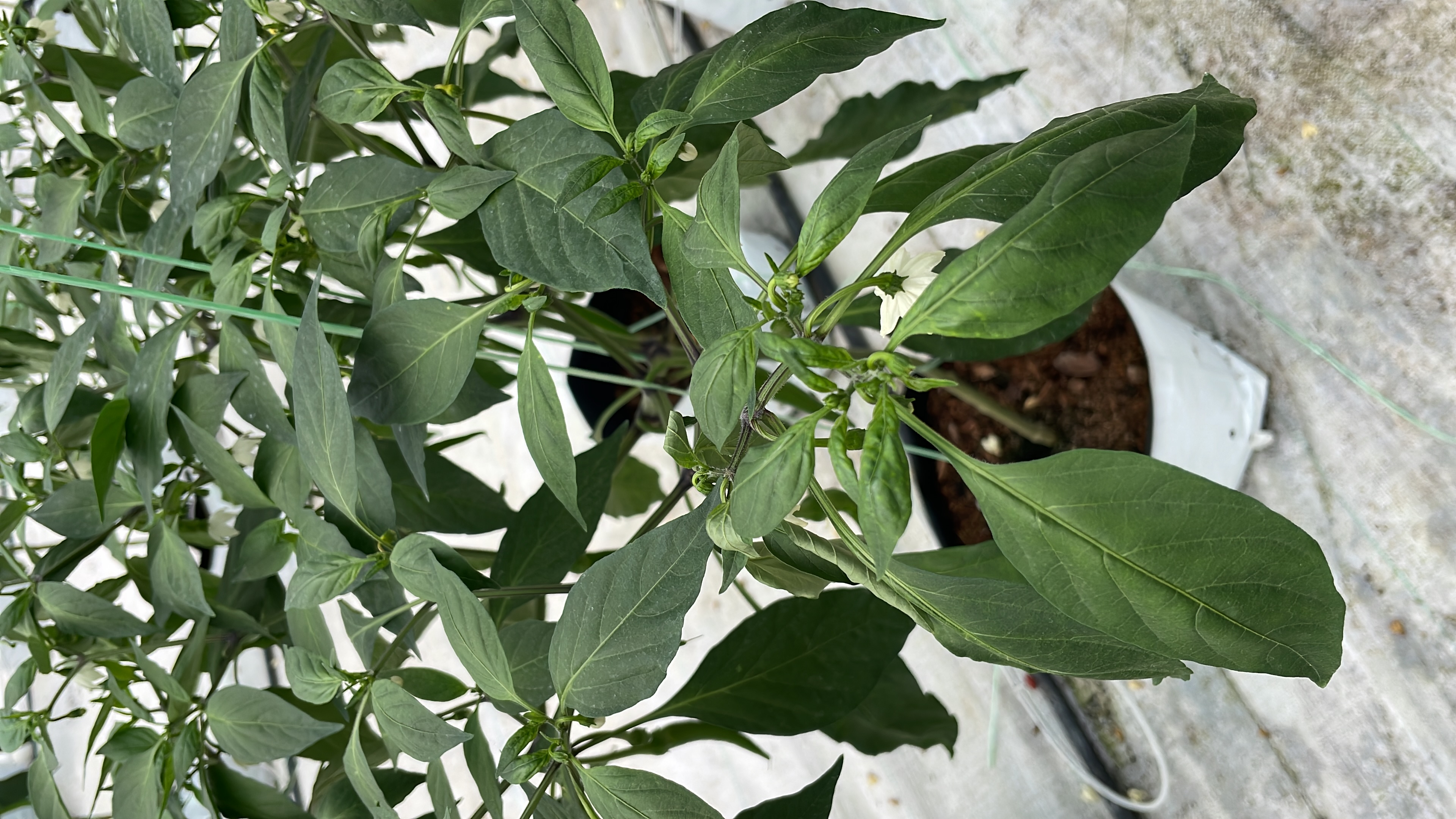
Is something looking a little off with your prized indoor chili plants? Maybe the leaves are spotted, wilting, or just not as vibrant as they should be. Don't panic! Diagnosing plant problems early is key to a healthy and bountiful harvest, even when you're growing your peppers indoors.
Growing chili peppers inside your home offers a unique and rewarding experience. It allows you to enjoy fresh, spicy flavors year-round, regardless of the weather outside. Plus, it's a fantastic way to add some green to your living space. But the controlled environment of indoor gardening can also present its own set of challenges, especially when it comes to plant diseases. Recognizing the signs of common ailments early on can make all the difference in saving your plants and ensuring a successful growing season.
Spotting the Culprits: Common Diseases in Apartment Chili Plants
The key to successfully growing peppers indoors is vigilance. Regularly inspect your plants for any changes in appearance, growth patterns, or overall health. Here's what to look for:1. Leaf Discoloration and Spots:
Yellowing Leaves (Chlorosis): This can indicate several issues, including nutrient deficiencies (especially nitrogen, magnesium, or iron), overwatering, or root rot. Check the pattern of yellowing. Is it uniform across the leaf, or is it just between the veins? This can help pinpoint the deficiency. Brown Spots (Leaf Spot): Fungal or bacterial infections often manifest as brown spots on the leaves. These spots may be small and circular or larger and irregular in shape. Look for concentric rings within the spots, which are characteristic of certain fungal diseases. White Powdery Coating (Powdery Mildew): This is a common fungal disease that thrives in humid conditions with poor air circulation. It appears as a white or grayish powdery substance on the leaves, stems, and even the fruit. Black Sooty Mold: This isn't a disease itself, but rather a symptom of an infestation of sap-sucking insects like aphids or whiteflies. The mold grows on the honeydew (sugary excrement) produced by these pests.
2. Wilting and Drooping
Overwatering: While it seems counterintuitive, overwatering is a common cause of wilting. Soggy soil deprives the roots of oxygen, leading to root rot and the inability to absorb water. The leaves will appear limp and droopy, even though the soil is wet. Underwatering: Conversely, underwatering will also cause wilting. The leaves will become dry and crispy, and the plant will eventually start to shed them. Fusarium Wilt and Verticillium Wilt:These are soilborne fungal diseases that block the plant's vascular system, preventing water and nutrients from reaching the leaves. Wilting typically starts with the lower leaves and progresses upward.
3. Stunted Growth and Deformed Fruit
Nutrient Deficiencies: Lack of essential nutrients can lead to stunted growth, pale foliage, and poor fruit development. Viral Diseases: Certain viral diseases can cause distorted leaves, stunted growth, and mottled or discolored fruit. These diseases are often spread by insects. Root Problems:Rootbound plants in containers, or those suffering from root rot, will struggle to grow and produce fruit.
Detective Work: Identifying the Specific Problem Affecting Your Indoor Chili Plants
Once you've observed the symptoms, it's time to do some detective work to pinpoint the exact cause. Here's a step-by-step approach:1. Examine the Leaves Closely: Use a magnifying glass to inspect the leaves for signs of pests, such as aphids, spider mites, or whiteflies. Look for small holes, webbing, or sticky residue.
2. Check the Soil Moisture: Stick your finger into the soil to gauge its moisture level. Is it soggy, moist, or dry? This will help you determine if overwatering or underwatering is the issue.
3. Inspect the Roots: Gently remove the plant from its pot and examine the roots. Healthy roots should be firm and white or light brown. Mushy, dark brown roots indicate root rot.
4. Consider Your Growing Conditions: Are your plants getting enough light? Is the humidity too high or too low? Are you providing the right nutrients? Review your indoor gardening tips and practices to identify any potential shortcomings.
5. Consult Resources: There are many online resources and gardening books that can help you diagnose plant diseases. Take clear photos of the affected areas and compare them to images of common chili pepper diseases.
Treatment Options: Saving Your Indoor Chili Plants
Once you've identified the problem, it's time to take action. Here are some common treatment options:1. Adjust Watering Practices:
Overwatering: Allow the soil to dry out completely before watering again. Improve drainage by adding perlite or vermiculite to the soil. Underwatering: Water thoroughly, ensuring that the entire root ball is saturated.
2. Improve Air Circulation: Increase ventilation by opening windows or using a fan. This will help reduce humidity and prevent fungal diseases.
3. Provide Adequate Light: Ensure that your plants are receiving at least 6-8 hours of direct sunlight per day, or supplement with grow lights if necessary. Look for grow lights for peppers that offer a full spectrum of light for best results.
4. Address Nutrient Deficiencies: Use a balanced fertilizer specifically formulated for chili peppers. Follow the instructions carefully and avoid over-fertilizing. For a more targeted approach, research the specific nutrient deficiency your plant is exhibiting and use a fertilizer that addresses that need.
5. Treat Pest Infestations
Insecticidal Soap: This is a safe and effective way to control many common pests, such as aphids, spider mites, and whiteflies. Neem Oil: Neem oil is a natural insecticide and fungicide that can be used to treat a variety of plant problems. Beneficial Insects:Introduce beneficial insects, such as ladybugs and lacewings, to your indoor garden to help control pest populations.
6. Manage Fungal Diseases
Fungicides: Use a fungicide specifically formulated for the type of fungal disease you are dealing with. Copper-Based Sprays: Copper-based sprays can be effective against certain fungal diseases, such as leaf spot. Remove Affected Leaves:Prune away any leaves that are severely affected by fungal diseases to prevent the spread of the infection.
7. Repotting: If your plant is rootbound or suffering from root rot, repot it into a larger container with fresh, well-draining soil.
Prevention is Key: Maintaining a Healthy Indoor Chili Garden
The best way to deal with plant diseases is to prevent them from occurring in the first place. Here are some tips for maintaining a healthy indoor chili garden: Use a Well-Draining Potting Mix: Choose a potting mix specifically formulated for container gardening. Avoid using garden soil, which can compact and retain too much moisture. Water Properly: Water deeply but infrequently, allowing the soil to dry out slightly between waterings. Provide Adequate Light: Ensure that your plants are receiving enough light. Fertilize Regularly: Feed your plants with a balanced fertilizer during the growing season. Maintain Good Air Circulation: Increase ventilation to prevent fungal diseases. Inspect Plants Regularly: Check your plants regularly for signs of pests or diseases. Clean Your Tools: Disinfect your pruning shears and other gardening tools regularly to prevent the spread of diseases. Choose Disease-Resistant Varieties: When selecting chili pepper varieties for indoor growing, look for those that are known to be disease-resistant.
How often should I water my indoor chili plants?
Watering frequency depends on several factors, including the size of the pot, the type of potting mix, the temperature, and the humidity. As a general rule, water deeply when the top inch of soil feels dry to the touch. Avoid overwatering, as this can lead to root rot. Container gardening for chilies requires a balance of moisture and drainage.
What are the best grow lights for peppers?
For growing peppers indoors, you'll want full-spectrum LED grow lights. These provide a balanced range of light wavelengths that mimic natural sunlight, which is essential for photosynthesis and healthy growth. T5 fluorescent lights can also work, but LEDs are generally more energy-efficient and have a longer lifespan.
Can I pollinate my indoor chili plants myself?
Yes, you can hand-pollinate your indoor chili plants! Since there are no bees or wind to naturally pollinate the flowers, you'll need to do it yourself. Use a small paintbrush or cotton swab to gently transfer pollen from the stamen (the male part of the flower) to the pistil (the female part). You can also gently shake the plant to help distribute the pollen. Pollination indoors is a simple process that can significantly increase your chili pepper yield.
Growing chili peppers indoors can be incredibly rewarding. By understanding the common diseases that can affect your plants and taking preventative measures, you can enjoy a bountiful harvest of spicy peppers all year round. Remember to be vigilant, observant, and proactive in your approach to indoor chili gardening, and you'll be well on your way to success! Don’t be afraid to experiment, research, and adjust your care routine based on your plants’ specific needs. Happy growing!

Post a Comment