
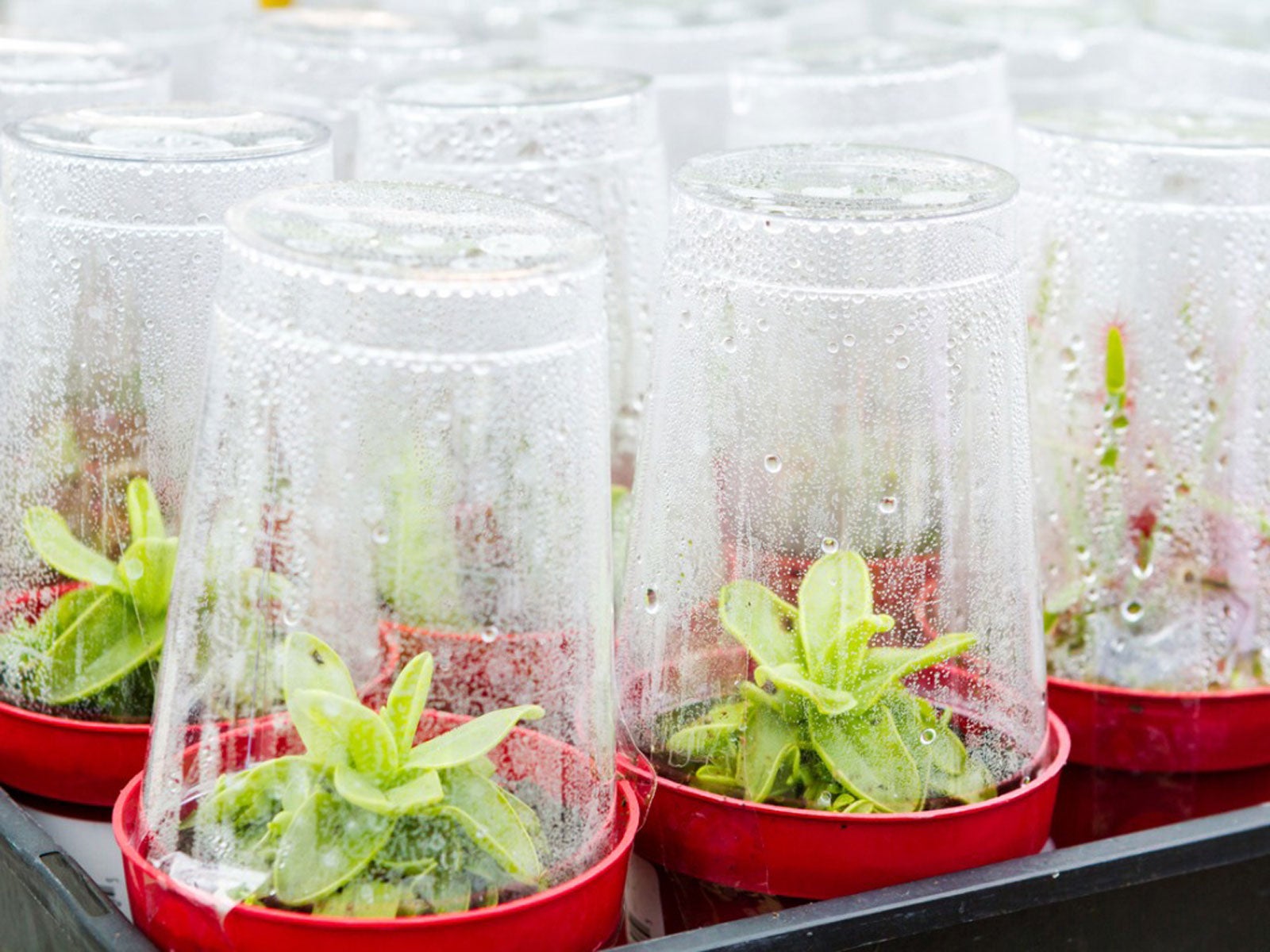
Is it possible to harvest a fiery bounty of chili peppers even without a sprawling backyard? Absolutely! Many gardeners are discovering the joys of nurturing these flavorful fruits entirely indoors, transforming windowsills and spare rooms into thriving miniature gardens.
Growing peppers indoors unlocks a world of possibilities, extending the growing season and providing access to fresh chilies year-round. Whether you're an apartment dweller with limited space or simply want to enjoy the vibrant colors and spicy flavors of homegrown peppers regardless of the weather outside, mastering the art of indoor chili gardening is within reach. Let's explore the ins and outs of setting up your own successful indoor chili haven.
Choosing the Right Chilies for Your Indoor Garden
Not all chili varieties are created equal when it comes to indoor growing. Compact plants that adapt well to container gardening are ideal. Here are a few excellent options: Thai Chilies: These prolific producers offer a spicy kick and stay relatively small, making them perfect for pots. Tabasco Peppers: Famous for their use in hot sauce, Tabasco plants are compact and visually appealing. Bird's Eye Chilies: Another small but mighty variety, Bird's Eye chilies are easy to manage indoors. Habaneros (with caution): While Habaneros can be grown indoors, they need plenty of light and careful attention. Be prepared for a longer growing season. Ornamental Peppers:These offer a stunning visual display alongside edible peppers, often featuring vibrant colors.
Before purchasing seeds or seedlings, consider the heat level (Scoville Heat Units) and the plant's mature size. Check seed packet information for ideal growing conditions and space requirements.
Setting Up Your Mini Indoor Chili Greenhouse
Creating a suitable environment is crucial for success. Here’s how to design your indoor chili paradise:
1.Choose the Right Location: South-facing windows offer the most sunlight, but east or west-facing windows can also work if supplemented with grow lights.
2.Select Appropriate Containers: Opt for pots that are at least 1-2 gallons in size with good drainage holes. Fabric pots are an excellent choice as they promote air pruning of the roots, preventing them from becoming root-bound.
3.Use High-Quality Potting Mix: Avoid using garden soil, which can become compacted and poorly drained in containers. Instead, use a well-draining potting mix specifically formulated for container gardening. A mix of peat moss, perlite, and vermiculite provides excellent aeration and moisture retention.
4.Provide Adequate Lighting: Chili peppers need at least 6-8 hours of direct sunlight per day. If you can't provide this naturally, invest in grow lights. LED grow lights are energy-efficient and provide the full spectrum of light that plants need to thrive.
5.Control Temperature and Humidity: Chilies prefer temperatures between 65-80°F (18-27°C). Maintain humidity levels around 40-60%. You can increase humidity by using a humidifier, placing the pots on a tray filled with pebbles and water (ensuring the pots don't sit directly in the water), or misting the plants regularly.
Caring for Your Indoor Chili Plants: A Step-by-Step Guide
Once your mini greenhouse is set up, consistent care is essential.
Watering:
Water thoroughly when the top inch of soil feels dry to the touch.
Avoid overwatering, as this can lead to root rot. Ensure proper drainage.
Use room-temperature water to avoid shocking the plants.
Water in the morning to allow the foliage to dry before nightfall, reducing the risk of fungal diseases.
Fertilizing:
Feed your chili plants regularly with a balanced liquid fertilizer diluted to half strength.
Start fertilizing about two weeks after transplanting seedlings.
During the flowering and fruiting stages, switch to a fertilizer higher in phosphorus and potassium to promote fruit production.
Avoid over-fertilizing, as this can lead to nutrient burn.
Pollination:
Chili peppers are self-pollinating, but indoor plants may need a little help.
Gently shake the plants or use a small paintbrush to transfer pollen from one flower to another.
You can also use a small fan to circulate air around the plants, which can aid in pollination.
Pruning:
Pinch off the growing tips of young plants to encourage bushier growth.
Remove any yellowing or dead leaves to prevent the spread of disease.
Prune suckers (shoots that grow from the base of the plant) to direct energy towards fruit production.
Pest and Disease Control:
Inspect your plants regularly for pests such as aphids, spider mites, and whiteflies.
Treat infestations with insecticidal soap or neem oil.
Ensure good air circulation to prevent fungal diseases.
Remove any infected leaves or plants immediately.
Optimizing Your Indoor Chili Growing
Here are some extra tips to maximize your harvest and the overall health of your indoor chili plants: Rotate your plants regularly: This ensures that all sides of the plant receive equal exposure to light. Provide support for heavy fruiting branches: Use stakes or tomato cages to prevent branches from breaking under the weight of the peppers. Maintain consistent temperatures: Avoid drastic temperature fluctuations. Consider hydroponic chili growing: For a more advanced approach, hydroponics can provide precise control over nutrient delivery and potentially lead to faster growth and higher yields. Hardening off seedlings:If you start your plants from seed indoors, gradually acclimate them to outdoor conditions before transplanting them into their final containers.
Troubleshooting Common Indoor Chili Growing Problems
Even with the best care, you may encounter some challenges when growing chilies indoors. Here are some common problems and their solutions: Yellowing Leaves: This can be caused by overwatering, underwatering, nutrient deficiencies, or pest infestations. Adjust your watering schedule, fertilize appropriately, and inspect for pests. Blossom Drop: This occurs when flowers fall off the plant without producing fruit. It can be caused by temperature stress, lack of pollination, or insufficient light. Ensure optimal growing conditions and hand-pollinate if necessary. Stunted Growth: This can be caused by insufficient light, poor soil, or root-bound plants. Provide adequate light, repot into a larger container with fresh potting mix, and fertilize regularly. Pest Infestations: As mentioned earlier, inspect plants regularly and treat infestations promptly with appropriate methods.
Frequently Asked Questions About Indoor Chili Gardening
What kind of grow lights are best for apartment chili plants?
LED grow lights are generally the most efficient and effective option for indoor chili plants. Look for full-spectrum LED lights that provide both blue and red light, which are essential for vegetative growth and flowering. T5 fluorescent lights can also work, but they are less energy-efficient and may need to be replaced more frequently.
How often should I water my container gardening chilies?
Watering frequency depends on several factors, including the size of the pot, the type of potting mix, and the temperature and humidity of your home. A good rule of thumb is to water when the top inch of soil feels dry to the touch. Avoid overwatering, as this can lead to root rot.
How can I improve pollination indoors if I don't have bees?
You can easily hand-pollinate your indoor chili plants by gently shaking the plants or using a small paintbrush to transfer pollen from one flower to another. Doing this every day or two can significantly increase fruit set. You can also use a small fan to circulate air around the plants, which can help with pollination.
Embrace the Spicy Side of Indoor Gardening
With a little planning and consistent care, you can successfully cultivate a vibrant and productive indoor chili garden. Enjoy the satisfaction of harvesting your own spicy peppers, adding a fiery touch to your culinary creations. So, embrace the possibilities of growing peppers indoors and transform your living space into a miniature chili greenhouse! Happy growing!

Post a Comment