
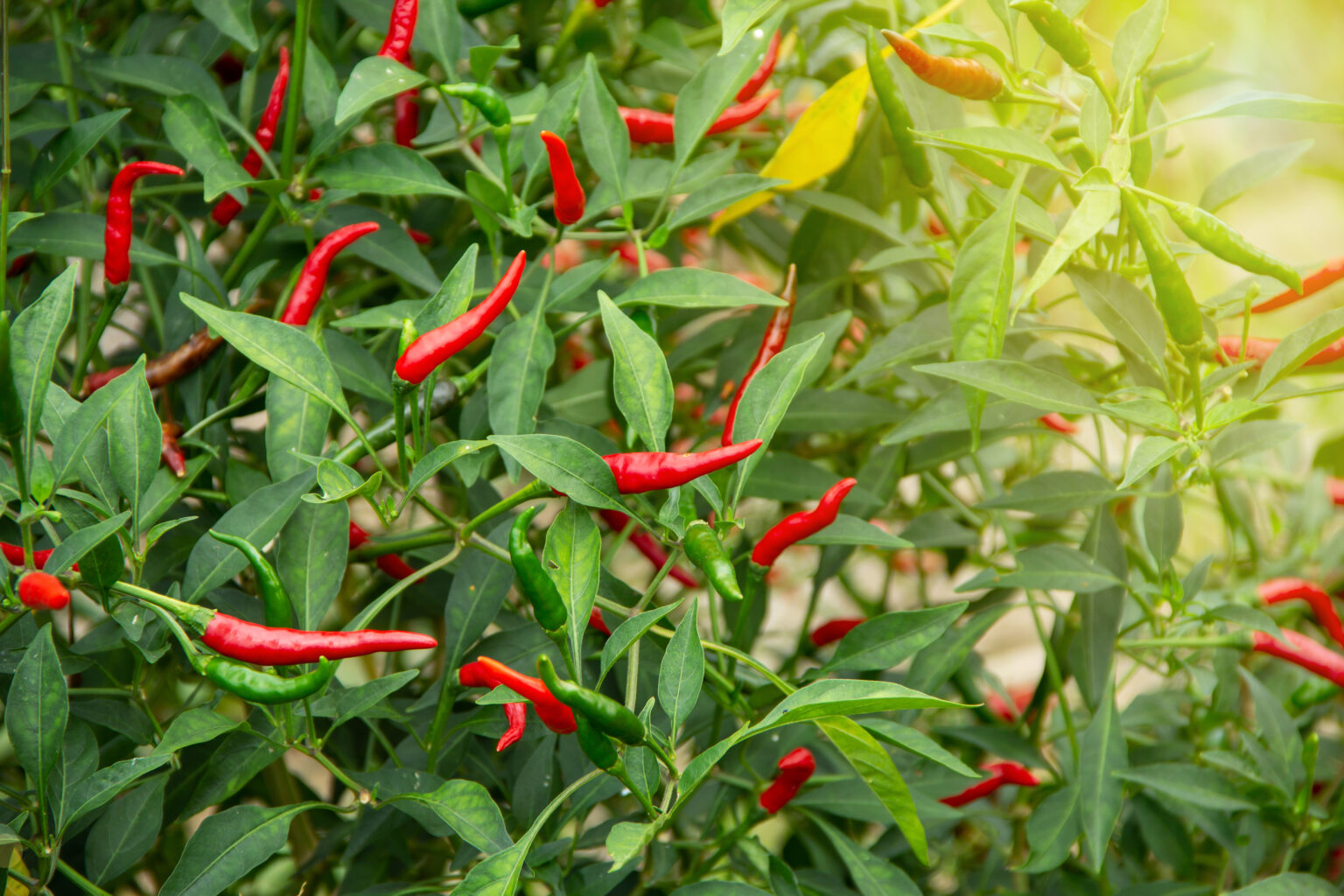
Many chili growers dream of a never-ending harvest, but often wonder just how long their fiery friends will stick around, especially when grown inside. The good news is that with proper care, your indoor chili plants can live for several years, providing a continuous supply of peppers for your culinary adventures.
Growing chilies indoors offers a fantastic opportunity for gardeners in any climate to enjoy fresh peppers year-round. Unlike outdoor plants subjected to seasonal changes and unpredictable weather, indoor chilies can thrive in a controlled environment. This means you can extend their lifespan considerably. However, achieving this longevity requires understanding their needs and providing the right conditions. Let's dive into the secrets of keeping your indoor chili plants happy and productive for years to come.
Creating the Ideal Indoor Environment
The key to extending the lifespan of your apartment chili plants lies in replicating their natural environment as closely as possible. This involves paying close attention to light, temperature, humidity, and soil conditions.
Light: The Sunshine Substitute
Chili plants are sun-loving creatures, requiring at least 6-8 hours of direct sunlight per day. While a sunny windowsill might suffice during the summer months, supplemental lighting is often necessary, especially during winter.
Grow Lights: Invest in high-quality grow lights designed for plants. LED grow lights are energy-efficient and provide the full spectrum of light that chili plants need. Placement: Position the lights 6-12 inches above the plants. Timers: Use a timer to ensure consistent light exposure. A 14-16 hour light cycle followed by 8-10 hours of darkness is generally ideal. Signs of Insufficient Light: Leggy growth (long, stretched stems), pale leaves, and reduced flowering are all signs that your chili plant isn't getting enough light.
Temperature and Humidity: Keeping it Comfortable
Chili plants thrive in temperatures between 65°F and 80°F (18°C and 27°C). Avoid placing them near drafts or heating vents, as extreme temperature fluctuations can stress the plants.
Humidity: Indoor environments can often be too dry for chili plants. Aim for a humidity level of 40-60%. Increasing Humidity: Use a humidifier, place the plants on a pebble tray filled with water, or group plants together to create a more humid microclimate. Monitoring:A simple hygrometer can help you monitor humidity levels.
Choosing the Right Pot and Soil
The container and soil you use are crucial for the health and longevity of your indoor chili plants.
Pot Size: Start with a smaller pot (6-8 inches in diameter) and gradually transplant to a larger one (10-12 inches) as the plant grows. Drainage: Ensure the pot has drainage holes to prevent waterlogging. Soil Mix: Use a well-draining potting mix specifically formulated for vegetables or peppers. Avoid using garden soil, as it can be too heavy and compact. A mix of peat moss, perlite, and vermiculite works well. Repotting: Repot your chili plant every 1-2 years to refresh the soil and provide more room for root growth.
Watering and Fertilizing: Nurturing Growth
Proper watering and fertilization are essential for maintaining healthy and productive indoor chili plants.
Watering Wisely
Overwatering is a common mistake that can lead to root rot and other problems.
Check the Soil: Water only when the top inch of soil feels dry to the touch. Water Thoroughly: When you do water, water deeply until excess water drains out of the bottom of the pot. Avoid Overwatering: Never let the plant sit in standing water. Watering Frequency: Watering frequency will vary depending on environmental conditions, but generally, you'll need to water every 1-3 days.
Fertilizing for Success
Chili plants are heavy feeders and require regular fertilization to produce abundant peppers.
Balanced Fertilizer: Use a balanced liquid fertilizer (e.g., 10-10-10) during the vegetative growth phase. High-Phosphorus Fertilizer: Once the plant starts to flower, switch to a high-phosphorus fertilizer (e.g., 5-10-5) to promote fruit production. Fertilizing Frequency: Fertilize every 2-4 weeks, following the instructions on the fertilizer label. Organic Options: Consider using organic fertilizers like compost tea or fish emulsion.
Pollination Indoors: Ensuring a Harvest
Unlike outdoor plants that rely on insects or wind for pollination, indoor chili plants often require hand-pollination to set fruit.
Hand-Pollination: Use a small paintbrush or cotton swab to gently transfer pollen from one flower to another. Technique: Gently swirl the brush or swab inside each flower to collect and distribute pollen. Frequency: Repeat the hand-pollination process every few days during the flowering period. Signs of Successful Pollination: If pollination is successful, the base of the flower will begin to swell and develop into a pepper.
Common Problems and Solutions for Indoor Chili Plants
Even with the best care, indoor chili plants can sometimes encounter problems. Here are some common issues and how to address them: Aphids: These tiny pests can suck the sap from leaves, causing them to yellow and distort. Spray with insecticidal soap or neem oil. Spider Mites: These pests create fine webs on the leaves and can cause them to become mottled. Increase humidity and spray with miticide. Whiteflies: These small, white, winged insects can damage leaves and spread diseases. Use yellow sticky traps and spray with insecticidal soap. Fungal Diseases: Overwatering and poor air circulation can lead to fungal diseases like powdery mildew. Improve air circulation, avoid overwatering, and treat with a fungicide if necessary. Blossom End Rot:This condition, characterized by dark, sunken spots on the bottom of the peppers, is caused by calcium deficiency. Ensure consistent watering and supplement with calcium if needed.
Pruning and Maintenance: Keeping Your Plant Healthy
Regular pruning and maintenance can help to keep your indoor chili plant healthy and productive.
Pruning: Remove any dead or yellowing leaves, as well as any suckers (small shoots that grow from the base of the plant). Topping: Pinch off the top of the main stem to encourage bushier growth. Support:Provide support for the plant with stakes or a trellis as needed, especially when it is laden with peppers.
Hydroponic Chili Growing: An Alternative Approach
For those seeking a more advanced method of growing chilies indoors, hydroponics offers a soilless alternative.
Benefits: Hydroponic systems can provide faster growth and higher yields compared to traditional soil-based methods. Types of Systems: Common hydroponic systems for chili plants include deep water culture (DWC), nutrient film technique (NFT), and drip systems. Nutrient Solutions: Use a hydroponic nutrient solution specifically formulated for peppers. Environmental Control: Hydroponic systems require careful monitoring and control of nutrient levels, p H, and temperature.
The Long-Term Outlook for Indoor Chili Plants
With proper care and attention, your indoor chili plants can live for many years, providing a continuous supply of fresh peppers. By replicating their natural environment, providing adequate light, water, and nutrients, and addressing any problems promptly, you can enjoy a thriving indoor chili garden. While they may not live forever, the satisfaction of harvesting your own homegrown chilies year after year is well worth the effort.
How long will an indoor chili plant produce peppers?
A well-cared-for indoor chili plant can produce peppers for several years, often 2-5 years or even longer. The key is maintaining optimal growing conditions and addressing any issues promptly. Production may slow down during the winter months, but it should pick up again in the spring.
Can I move my indoor chili plant outside during the summer?
Yes, you can move your indoor chili plant outside during the summer, but you'll need to acclimate it gradually to avoid shocking the plant. Start by placing it in a shady spot for a few hours each day and gradually increase the amount of sunlight it receives. Bring the plant back indoors before the first frost.
What are the signs that my indoor chili plant is dying?
Signs that your indoor chili plant is dying include: Yellowing or browning leaves: This can be caused by overwatering, underwatering, nutrient deficiencies, or pests. Drooping leaves: This can be a sign of underwatering, overwatering, or root rot. Stunted growth: This can be caused by insufficient light, nutrient deficiencies, or pests. Root rot: This is caused by overwatering and poor drainage. The roots will be brown and mushy. Sudden leaf drop:This can be caused by temperature stress, sudden changes in environment, or severe pest infestations.
Don't be afraid to experiment and find what works best for your particular plants and growing environment. Growing peppers indoors is a rewarding experience that allows you to enjoy fresh, spicy flavors year-round. So, get started today and enjoy the fruits (or should we say, chilies!) of your labor for years to come.

Post a Comment