
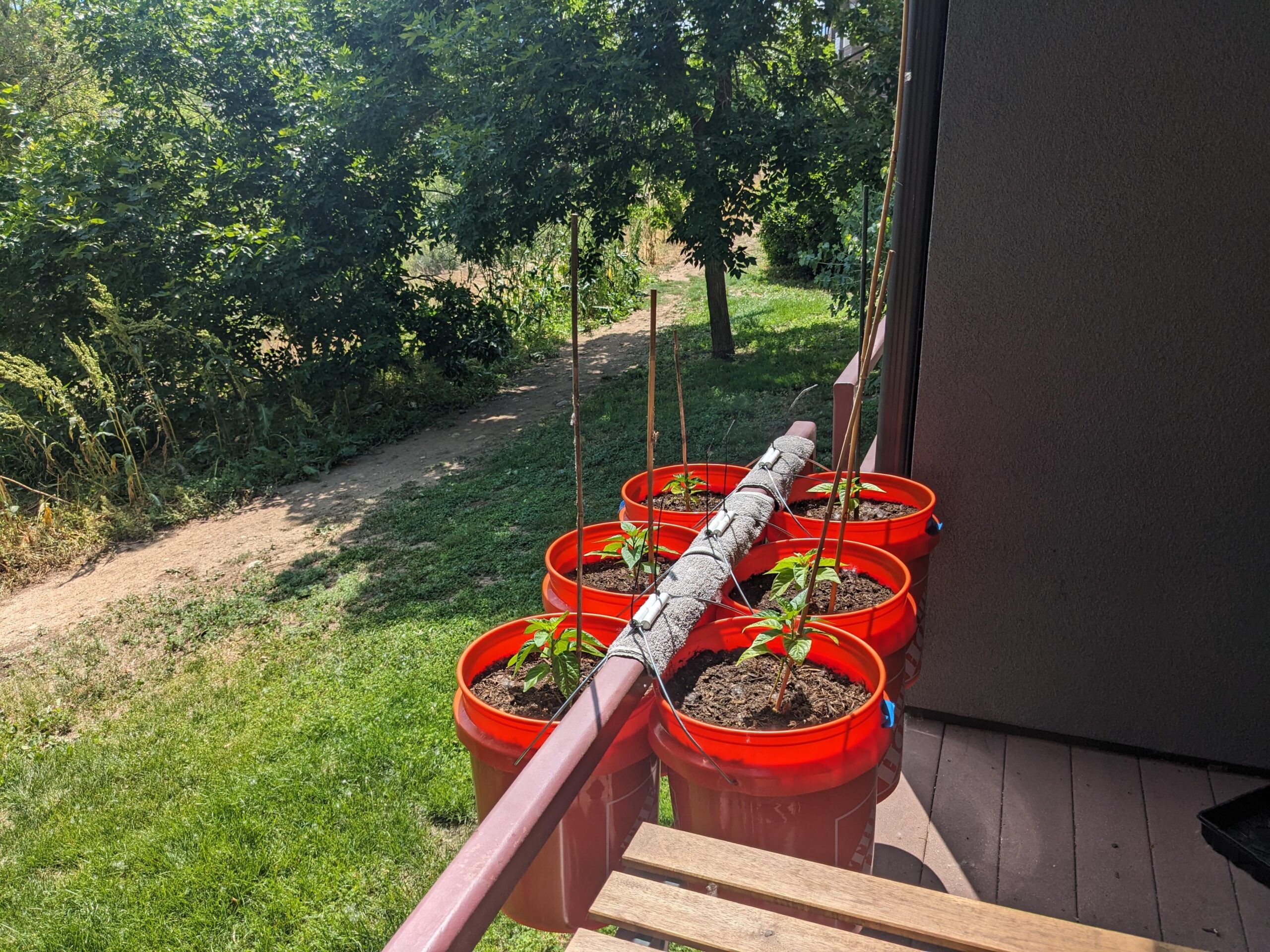
So, you’re dreaming of fresh, fiery chilies but your only garden is a sunny windowsill? You’re not alone! Many gardeners think they need acres of land for a decent chili harvest, but the truth is, with a little know-how, you can successfully grow peppers indoors, transforming your apartment into a miniature, spicy oasis.
Growing chilies inside isn't just a novelty; it's a practical way to enjoy fresh produce year-round, regardless of the weather outside. It also gives you control over the growing environment, minimizing pests and diseases that can plague outdoor gardens. Whether you're a seasoned gardener or a complete beginner, growing chilies indoors offers a rewarding experience, bringing both beauty and flavorful rewards into your home. This guide will provide you with all the essential information and tips to successfully cultivate your own indoor chili garden.
Choosing the Right Chili Varieties for Indoor Growing
Not all chili varieties are created equal, especially when it comes to growing indoors. Some varieties are naturally more compact and better suited for container gardening, making them ideal for your indoor space.
Here are a few excellent choices for growing peppers indoors: Thai Chilies: These prolific producers are compact and thrive in containers. They offer a good level of heat and are perfect for adding a kick to Asian-inspired dishes. Tabasco Peppers: Famous for Tabasco sauce, these peppers are also relatively compact and productive indoors. Jalapeños: A classic choice, jalapeños are relatively easy to grow and offer a manageable level of heat. Look for dwarf varieties specifically bred for container gardening. Serrano Peppers: Similar to jalapeños but with a bit more heat, serranos are another good option for indoor cultivation. Ornamental Peppers:These peppers are bred for their striking colors and compact size. They are often edible, although their flavor and heat levels can vary. Examples include 'Black Pearl' and 'Purple Flash'.
When selecting your chili variety, consider the available space, your desired heat level, and your culinary preferences. Read the seed packet information carefully to understand the plant's mature size and light requirements.
Setting Up Your Indoor Chili Garden: Potting, Soil, and Location
The success of your indoor chili garden hinges on providing the right environment. Here's how to set up your space:
1.Choose the Right Pots: Select pots that are at least 1-2 gallons in size for most chili varieties. Larger pots are better as they provide more room for root growth and help retain moisture. Ensure the pots have drainage holes to prevent waterlogging. Terracotta pots are a good choice as they allow the soil to breathe.
2.Use High-Quality Potting Mix: Avoid using garden soil, which can be too heavy and poorly draining for containers. Instead, opt for a well-draining potting mix specifically formulated for container gardening. A mix containing peat moss, perlite, and vermiculite is ideal.
3.Pick a Sunny Location: Chilies need plenty of sunlight to thrive. Aim for at least 6-8 hours of direct sunlight per day. A south-facing window is usually the best option. If you don't have enough natural light, consider using grow lights.
4.Temperature Control: Chilies prefer warm temperatures, ideally between 65-80°F (18-27°C). Avoid placing your plants near drafty windows or doors.
Lighting: The Key to Indoor Chili Growing Success
Adequate lighting is crucial for healthy growth and abundant pepper production. Even a sunny window might not provide enough light, especially during the shorter days of winter.
Here’s a breakdown of lighting options: Natural Light: If you have a south-facing window that receives at least 6 hours of direct sunlight, you might be able to get away with natural light alone. However, supplement with grow lights if necessary. Fluorescent Grow Lights: These are a cost-effective option for supplementing natural light. Use T5 or T8 fluorescent bulbs designed for plant growth. Position the lights a few inches above the plants and adjust as they grow. LED Grow Lights: LEDs are energy-efficient and provide a full spectrum of light that is beneficial for plant growth. They are more expensive than fluorescent lights, but they last longer and produce less heat. High-Intensity Discharge (HID) Lights: HID lights, such as metal halide (MH) and high-pressure sodium (HPS) lights, are very powerful and suitable for larger indoor gardens. However, they produce a lot of heat and require proper ventilation.
When using grow lights, it's important to provide a consistent light schedule. Aim for 14-16 hours of light per day during the vegetative stage (when the plant is growing leaves) and 12-14 hours of light per day during the flowering and fruiting stage.
Watering and Fertilizing Your Indoor Chili Plants
Proper watering and fertilization are essential for healthy chili plant growth and abundant pepper production.
Watering
Water deeply and infrequently: Allow the top inch of soil to dry out before watering thoroughly. Water until excess water drains out of the drainage holes. Avoid overwatering: Overwatering can lead to root rot, a common problem in container gardening. Use room-temperature water: Cold water can shock the roots of your plants. Monitor soil moisture: Use your finger or a moisture meter to check the soil moisture level before watering.
Fertilizing
Start fertilizing after the seedlings have developed a few true leaves. Use a balanced fertilizer: A balanced fertilizer with an N-P-K ratio of 10-10-10 or 20-20-20 is suitable for general growth. Switch to a fertilizer higher in phosphorus and potassium when the plants start to flower: This will promote flower and fruit development. A fertilizer with an N-P-K ratio of 5-10-10 or 10-30-20 is a good choice. Follow the instructions on the fertilizer label carefully. Avoid over-fertilizing: Over-fertilizing can burn the roots of your plants. Consider using organic fertilizers: Organic fertilizers, such as compost tea or fish emulsion, are a gentle and sustainable way to feed your plants.
Pollination Indoors: Helping Your Chilies Produce Fruit
In an outdoor garden, bees and other insects naturally pollinate chili plants. Indoors, you'll need to take on this role yourself.
Here are a few methods for pollinating your indoor chili plants: Hand Pollination: Use a small paintbrush or cotton swab to transfer pollen from the stamen (the male part of the flower) to the pistil (the female part of the flower). Gently brush the pollen onto the pistil of each flower. Shaking the Plants: Gently shake the plants to release pollen. You can also use a fan to circulate air around the plants, which can help to distribute the pollen. Using an Electric Toothbrush:Gently touch the back of each flower with an electric toothbrush for a few seconds to vibrate the pollen.
Pollinate your chili plants every few days when they are in bloom. You'll know pollination has been successful when the base of the flower starts to swell and form a pepper.
Pest and Disease Management for Indoor Chili Plants
While indoor chili plants are less susceptible to pests and diseases than outdoor plants, they can still be affected. Here are some common problems and how to deal with them: Aphids: These small, sap-sucking insects can infest your plants and cause distorted growth. Control aphids by spraying with insecticidal soap or neem oil. Spider Mites: These tiny mites can cause yellowing and stippling on the leaves. Control spider mites by increasing humidity and spraying with insecticidal soap or neem oil. Whiteflies: These small, white insects can suck sap from your plants and cause yellowing and leaf drop. Control whiteflies by using yellow sticky traps and spraying with insecticidal soap or neem oil. Fungal Diseases: Overwatering and poor air circulation can lead to fungal diseases, such as powdery mildew and damping off. Prevent fungal diseases by providing good air circulation and avoiding overwatering. Treat fungal diseases with a fungicide.
Regularly inspect your plants for signs of pests and diseases. The earlier you catch a problem, the easier it will be to control.
Harvesting Your Indoor Chilies
The time it takes for your chilies to mature will depend on the variety you are growing. Generally, it takes about 60-90 days from planting to harvest.
Here are some tips for harvesting your indoor chilies: Harvest when the peppers have reached their mature size and color. Use scissors or pruning shears to cut the peppers from the plant. Avoid pulling the peppers off, as this can damage the plant. Harvest regularly to encourage continued production.
Enjoy your homegrown chilies fresh, or dry them, pickle them, or make them into hot sauce.
Troubleshooting Common Indoor Chili Growing Problems
Even with the best care, you might encounter some challenges when growing chilies indoors. Here are some common problems and their solutions: Yellowing Leaves: This can be caused by overwatering, underwatering, nutrient deficiency, or pest infestation. Check the soil moisture level, fertilize your plants, and inspect them for pests. Leaf Drop: This can be caused by stress, such as sudden changes in temperature, overwatering, or underwatering. Provide consistent care and avoid sudden changes in the environment. Lack of Fruit Set: This can be caused by insufficient pollination, lack of sunlight, or nutrient deficiency. Pollinate your plants regularly, provide adequate lighting, and fertilize them with a fertilizer higher in phosphorus and potassium. Stunted Growth: This can be caused by poor soil, lack of sunlight, or pest infestation. Repot your plants in fresh potting mix, provide adequate lighting, and inspect them for pests.
FAQ: How often should I water my indoor chili plants?
The frequency of watering depends on several factors, including the size of the pot, the type of potting mix, the temperature, and the humidity level. As a general rule, water deeply when the top inch of soil feels dry to the touch. Avoid overwatering, which can lead to root rot.
FAQ: Do I need special soil for growing chilies in containers?
Yes, you should use a well-draining potting mix specifically formulated for container gardening. Avoid using garden soil, which can be too heavy and poorly draining for containers. A mix containing peat moss, perlite, and vermiculite is ideal.
FAQ: What are the best grow lights for peppers?
LED grow lights are a great choice for peppers, as they are energy-efficient and provide a full spectrum of light that is beneficial for plant growth. Fluorescent grow lights are a more budget-friendly option. Make sure to position the lights a few inches above the plants and adjust as they grow.
With a little planning and dedication, you can successfully grow delicious and fiery chilies right in your home. So, embrace your green thumb, and get ready to enjoy the fruits (or peppers!) of your labor. Growing peppers indoors brings the satisfaction of fresh, homegrown produce to any home, regardless of size or location. Happy growing!

Post a Comment